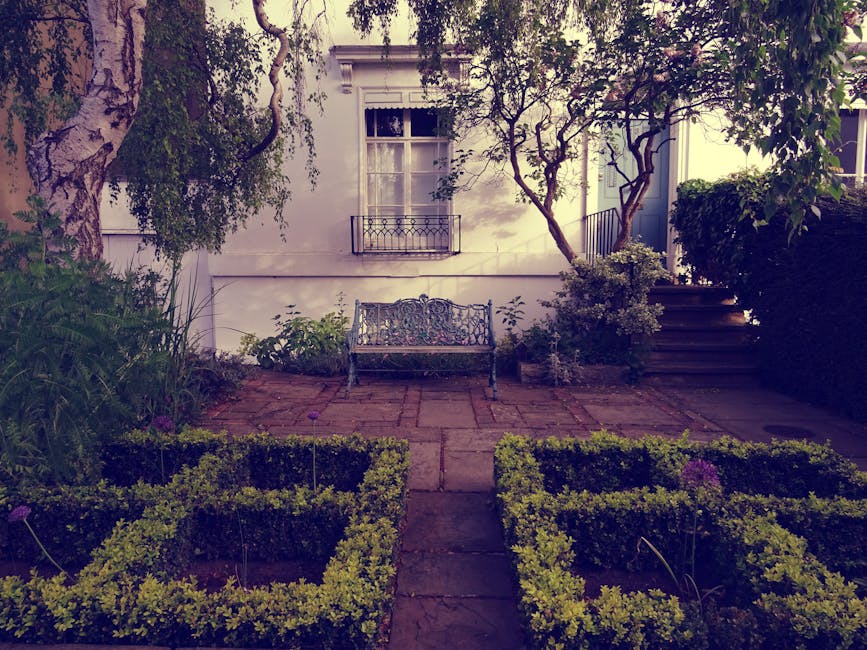
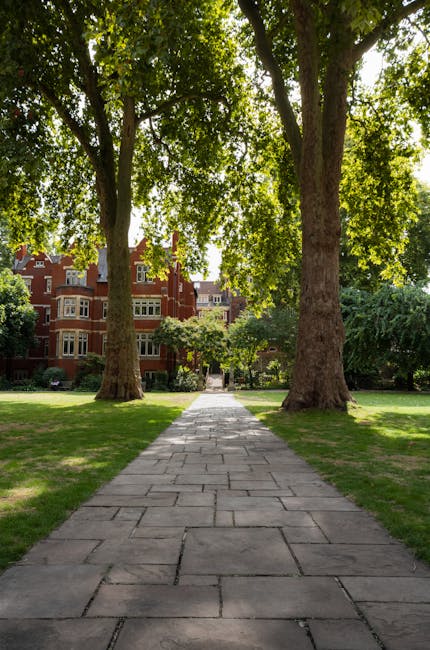
Bloomsbury gardeners guide for Russell Square front gardens
Front gardens around Russell Square need to do a lot with very little. They have to look elegant from the street, stay manageable through the seasons, and cope with the realities of central London life: shade from buildings, changing foot traffic, compact plots, and the occasional blast of wind down a terrace. This Bloomsbury gardeners guide for Russell Square front gardens brings all of that together in one practical, local-friendly resource. Whether you are restoring a tired frontage, refining a small planted space, or simply trying to keep everything neat without turning weekends into chores, you'll find a clear way forward here.
To be fair, most front gardens do not fail because they are badly planted. They fail because they are planned without the site in mind. Russell Square spaces often need a smarter balance of structure, planting, access, and maintenance. Done well, even a modest front area can look calm, welcoming, and properly cared for.
This guide covers design, plant choice, seasonal care, common mistakes, compliance-minded upkeep, and the practical decisions that make a front garden work in everyday life. It also links out to useful resources on garden maintenance, landscaping, and hedge trimming in Bloomsbury where those next steps make sense.
Table of Contents
- Why Bloomsbury gardeners guide for Russell Square front gardens Matters
- How Bloomsbury gardeners guide for Russell Square front gardens Works
- Key Benefits and Practical Advantages
- Who This Is For and When It Makes Sense
- Step-by-Step Guidance
- Expert Tips for Better Results
- Common Mistakes to Avoid
- Tools, Resources and Recommendations
- Law, Compliance, Standards, or Best Practice
- Options, Methods, or Comparison Table
- Case Study or Real-World Example
- Practical Checklist
- Conclusion
- Frequently Asked Questions
Why Bloomsbury gardeners guide for Russell Square front gardens Matters
Russell Square front gardens sit in a very specific kind of London context. They are often seen at close range, they are part of the street's overall character, and they usually need to look good without demanding constant fuss. That mix changes how you plan them. A planting scheme that works in a large suburban garden can look awkward here; a design that ignores shade, soil compaction, or narrow access can become a nuisance surprisingly quickly.
Why does this matter? Because front gardens are more than decoration. They shape first impressions, soften architecture, help with privacy, and can improve the way a property feels day to day. A tidy, well-structured frontage also tends to feel easier to live with. You notice it when you come home late on a wet evening and the entrance still looks calm rather than cluttered. Small thing, but it counts.
In Bloomsbury especially, front gardens often need to respect a balance between elegance and restraint. Too much visual noise can feel out of place. Too little structure, and the space disappears into a patchy mess of weeds, straggly shrubs, and a half-hearted path. The right approach gives you order without stiffness.
Expert summary: Russell Square front gardens work best when they are designed as "small, repeatable systems" rather than one-off displays. Think reliable structure, manageable planting, and a maintenance routine you can actually keep up.
If your frontage already struggles with ivy, overgrown hedges, or tired edges, it can help to tackle those basics first. A focused service like removing ivy from a garden often makes the rest of the design easier to see, and easier to maintain.
How Bloomsbury gardeners guide for Russell Square front gardens Works
At its simplest, the process starts with reading the space properly. Not just looking at it. Reading it. Front gardens in this part of London usually have a few recurring conditions: shade from surrounding buildings, limited depth, exposed paths, compacted soil, and the need to keep access clear. Once you understand those constraints, you can choose plants and materials that behave well rather than fight the site.
The best front gardens usually combine five layers:
- Hard structure such as paths, edging, steps, low walls, or boundary treatments
- Evergreen framework for year-round shape
- Seasonal planting for colour and movement
- Ground cover to suppress weeds and protect bare soil
- Maintenance rhythm to keep everything trimmed and balanced
That approach matters because a front garden is not just planted once and left alone. It has to perform through winter slush, spring bursts, summer dry spells, and the occasional enthusiastic growth spurt when you were not looking. A lot of the work is in choosing things that age well.
For example, if the garden is narrow and slightly shaded, a layered scheme with evergreen shrubs, a few shade-tolerant climbers, and hardy ground cover will often outlast a more ambitious bedding display. If the space is very visible from the street, hedge trimming and clean edging become part of the design rather than afterthoughts. The result is a frontage that looks intentional, even on an ordinary Tuesday morning.
For people starting from scratch or dealing with a neglected plot, the restoration mindset is often the right one. A staged approach, like the thinking behind garden restoration work, helps prevent the common mistake of trying to fix everything at once.
Key Benefits and Practical Advantages
A well-planned front garden gives you more than curb appeal. It gives you fewer headaches. That is the honest version.
- Better first impressions: a neat frontage lifts the whole property, even if the garden is small.
- More manageable upkeep: with the right structure, maintenance becomes shorter and more predictable.
- Improved privacy: hedging and planting can soften sightlines without making the space feel shut in.
- Cleaner access: paths, edges, and doors remain easier to use when planting is positioned properly.
- Seasonal resilience: front gardens designed for London conditions usually cope better with wind, shade, and patchy rainfall.
- Better biodiversity value: even a small front garden can support pollinators and birds when it includes suitable plants.
There is also a practical comfort benefit that people overlook. A well-kept frontage quietly reduces the sense of visual clutter. If you live in a busy area, that bit of calm matters. You step outside and the space feels composed rather than chaotic. Sounds tiny. It isn't, really.
If you want low-fuss results, consider pairing structure with soft planting. One useful route is to use low-maintenance garden strategies alongside compact planting. It saves time and, in my experience, stops the space from turning into a Saturday obligation.
Who This Is For and When It Makes Sense
This guide is useful if you are any of the following:
- A homeowner in Russell Square or nearby Bloomsbury wanting a front garden that looks sharper and stays tidy
- A landlord preparing a property frontage between tenancies
- A resident dealing with tired shrubs, overgrown hedging, or patchy planting
- Someone who likes the look of a classic London frontage but needs it to be realistic to maintain
- A busy household looking for a practical seasonal plan rather than a high-maintenance makeover
It also makes sense if you are at one of three stages. First, the "something needs doing" stage, where the garden feels neglected but you are not sure what to fix first. Second, the "design refresh" stage, where the garden is basically fine but lacks cohesion. Third, the "make it easier to live with" stage, where the priority is reducing effort without losing quality.
Russell Square front gardens are rarely huge. That is not a drawback. It just means every choice has to earn its place. A generous spread of plants that look lovely for three weeks and then collapse into chaos is usually a poor trade. Better to choose one or two clear features and support them properly.
If you are dealing with hard landscaping, access issues, or the need for a more complete redesign, the broader approach in gardening services or landscaping may be the more sensible route.
Step-by-Step Guidance
Here is a practical way to approach a Russell Square front garden without getting overwhelmed.
1. Assess the site honestly
Start with light, soil, drainage, access, and visibility. Stand at the doorway and the pavement edge. Where does the eye fall first? Which areas stay damp? Which parts get afternoon sun, if any? Small observations like that shape good decisions later.
2. Clear out the obvious problems
Remove dead plants, self-seeded weeds, broken containers, and anything choking the space. If ivy has crept across walls or beds, deal with that early. It is much easier to design around a clean base than around a tangle. A targeted guide on removing ivy is a useful starting point if you are facing that kind of mess.
3. Decide what role the front garden should play
Do you want it to be formal, soft, private, welcoming, or almost purely decorative? You do not need all of those at once. A front garden usually works best when it has one clear job and supports it well.
4. Build the structure first
Edges, low boundaries, and paths should be planned before the planting goes in. This is where many projects wobble. If the framework is weak, the planting has to do too much work. If it is strong, the rest feels easy.
5. Choose planting for the actual conditions
For shady front gardens, select tolerant species rather than pushing sun-loving plants into a bad position. For exposed spots, think about sturdier shrubs, tougher perennials, and sheltering layers. Use ground cover where bare soil keeps turning muddy or weedy. A lot of people find that the ideas in ground cover planting are especially useful here.
6. Plan for maintenance from day one
This is the bit people skip, then regret later. Ask yourself: how often will this need trimming? Who will water it in hot spells? What happens if you miss two weeks? If the answer is "it becomes a jungle," the design probably needs simplifying.
7. Finish with details
Clean edging, a swept path, neat containers, and a well-proportioned hedge can do more than a lot of expensive ornamentation. If you want a frontage to feel truly finished, the small details matter a great deal. A trimmed shape, a healthy border, a clear route to the door. That sort of thing.
Expert Tips for Better Results
These are the little things that make a front garden look considered rather than merely maintained.
- Use repetition. Repeated plants or containers create calm, especially in a small space.
- Keep heights controlled. Front gardens usually benefit from lower planting near the path and slightly taller structure further back.
- Choose foliage as carefully as flowers. Flowers come and go. Leaves do the heavy lifting for most of the year.
- Don't ignore the boundary. A hedge that is too shaggy can spoil even good planting. If needed, a professional hedge trimming service in Bloomsbury keeps the shape crisp.
- Think in thirds. Front, middle, and back layers stop the space from looking flat.
- Use containers sparingly. They are brilliant for flexibility, but too many make a small frontage look crowded.
- Prefer durable finishes. Stones, edging, and pots should age gracefully rather than look tired after one winter.
One useful habit is to walk past the garden from across the street every so often. That viewpoint reveals problems you miss when you are standing in the middle of it. A hedge slightly too high, a bed that needs narrowing, a pot that is frankly too shiny for the rest of the setting. You know the sort of thing.
If you are interested in making the frontage feel more private without shutting it off, see the ideas in fast-growing hedges for privacy and then trim them with a lighter hand than you think you need. Less bulk, more shape.
Common Mistakes to Avoid
Most front garden problems in Bloomsbury are surprisingly familiar. The good news is they are avoidable.
- Overplanting: too many species makes a small garden feel busy and hard to maintain.
- Choosing plants for the label, not the site: a beautiful plant in the wrong light is still the wrong plant.
- Ignoring maintenance access: if you cannot reach the back of a bed easily, upkeep becomes a pain.
- Letting hedges run too high: the space loses proportion and can feel closed in.
- Using fragile materials near the front path: street-facing spaces need a bit more toughness.
- Forgetting drainage: damp patches can undo otherwise good planting choices.
- Making everything decorative: front gardens need utility as well as style.
Another common one: people start with a vision board and skip the boring groundwork. I get it. The pretty part is more fun. But if the soil is compacted, the layout is awkward, or the hedge is swallowing the entrance, that groundwork is the difference between a garden that looks good for a season and one that works for years.
If you are dealing with a more neglected space, a staged improvement plan like starting a garden restoration can keep the project manageable.
Tools, Resources and Recommendations
You do not need a van full of kit to keep a Russell Square front garden looking good, but the right basics make life easier.
- Hand pruners and loppers: for clean cuts on shrubs and small branches
- Hedge trimmer: useful if the garden has a defined boundary hedge
- Spade and border fork: for reworking compacted beds
- Weeding tools: especially helpful around edges and paving
- Watering can or hose with control: front gardens often need targeted watering, not a flood
- Mulch or soil improver: to reduce weeds and help moisture retention
- Gloves and eye protection: simple, sensible, and worth having on hand
For people who prefer a guided approach, the advice in core gardening tools is a good practical reference. If the job is more about regular upkeep than redesign, a recurring service plan such as ongoing garden maintenance may be more efficient than trying to keep up alone.
And if you are comparing costs, it helps to understand the scope before requesting help. Simple trimming, a tidy-up, or border refresh is one thing. Full reworking, boundary changes, or tree-related work is another. The useful pages on pricing and quotes and getting in touch make that next step straightforward.
Law, Compliance, Standards, or Best Practice
For most front gardens, the most relevant "compliance" point is not about complex paperwork. It is about working safely, respecting neighbours, and not creating avoidable problems on the pavement or at the boundary.
That means:
- Keeping paths clear and free from trip hazards
- Avoiding overhanging growth that blocks access or visibility
- Using safe methods for pruning, lifting, and waste handling
- Being careful around trees, roots, walls, and shared boundaries
- Checking whether any larger works need extra caution or specialist input
Best practice also means using a service that treats safety and insurance seriously. If you are hiring help, it is sensible to review insurance and safety information, along with health and safety policy details and terms and conditions. Those pages are not glamorous, admittedly, but they matter when work involves ladders, tools, heavy materials, or shared access.
For anything involving trees, larger pruning, or overgrown specimens close to structures, professional judgement matters. A garden can look straightforward and still hide awkward roots, unstable growth, or access issues. That is exactly the sort of thing experienced hands notice early.
Options, Methods, or Comparison Table
Different front garden approaches suit different lifestyles. Here is a simple comparison that may help you choose the right one.
| Approach | Best For | Strengths | Trade-Offs |
|---|---|---|---|
| Formal structure with hedging | Classic Bloomsbury streets and neat facades | Elegant, tidy, clear shape all year | Needs regular trimming and discipline |
| Soft planting with perennials | People wanting a gentler, more natural feel | Seasonal interest, good texture, relaxed look | Can look messy if spacing is poor |
| Container-led design | Small or awkward spaces | Flexible, easy to refresh, low soil disturbance | Requires watering and can dry out fast |
| Low-maintenance evergreen scheme | Busy households and rental properties | Reliable structure, fewer seasonal gaps | Needs careful species choice to avoid looking static |
| Mixed practical frontage | Homes needing access, privacy, and beauty together | Balanced, adaptable, realistic to live with | Requires more planning at the beginning |
If you are undecided, the mixed practical frontage is usually the safest bet. It gives you enough structure to look good in winter, enough planting to feel alive in summer, and enough flexibility to adapt later. Not flashy. Just sensible. Which, honestly, is often the best kind of garden design.
Case Study or Real-World Example
Imagine a narrow Russell Square frontage with a low wall, a shaded border, and a hedge that has grown a little too confidently. Nothing dramatic, just the usual drift that happens when a garden gets away from regular care. The owner wants it to feel lighter, tidier, and more welcoming without turning it into a full rebuild.
The first move is a clean reset: ivy removed from the wall, dead growth cleared, hedge reduced to a more usable height, and the front edge redefined. Then comes a simple planting scheme: a few evergreen shrubs for year-round form, ground cover in the most awkward bare patches, and two or three containers near the entrance to give seasonal interest. No clutter. No exotic fuss.
What changes? The garden suddenly reads as deliberate. The entrance feels more open. The wall becomes visible again. Weeds have fewer places to establish. And the owner is not facing a weekly battle to keep the whole thing under control. That's the win. A modest frontage can look quietly expensive when it is well ordered.
If pets are part of the picture, it can help to plan with them in mind too. A guide like building a garden with dogs in mind is useful where wear-and-tear from paws is part of everyday life. Likewise, families may prefer to think through safe circulation and visibility using ideas from safe garden design for children.
Practical Checklist
Use this quick checklist before you start, or before you hand the work to someone else.
- Have I checked the garden in morning and afternoon light?
- Do I know which areas are shaded, exposed, or regularly damp?
- Have I removed dead growth, weeds, and any invasive ivy?
- Is the entrance path clear and easy to use?
- Have I chosen plants suited to the site rather than just the look?
- Is there enough structure for the garden to look good in winter?
- Can I maintain the hedge, borders, and containers without difficulty?
- Have I considered privacy without making the frontage too enclosed?
- Do I have a plan for watering and seasonal tidy-ups?
- Have I checked whether any larger works need a professional approach?
One small tip: if you cannot answer the maintenance question clearly, the design is probably too complicated. Simpler usually wins in front gardens.
Get a free quote today and see how much you can save.
Conclusion
A Russell Square front garden does not need to be large to be impressive. It needs to be coherent, proportioned, and realistic for the way you live. That is the heart of a strong Bloomsbury gardeners guide for Russell Square front gardens: read the site properly, choose planting that belongs there, build a clear structure, and keep the maintenance level honest.
When those pieces come together, the frontage stops feeling like a task and starts feeling like part of the home. You notice it when you arrive, you notice it when you leave, and the street feels a little better for it too. Simple, but deeply satisfying.
If you want the job handled with care, or you're ready to turn a tired frontage into something calm and polished, the next step is straightforward. And if you are still deciding, that's fine too. Good gardens are rarely rushed. They come together one sensible choice at a time.
Frequently Asked Questions
What makes Russell Square front gardens different from ordinary residential gardens?
They are usually smaller, more visible, and more exposed to street-facing wear and seasonal change. That means structure and maintenance matter more than in a larger back garden.
What plants work best in a shaded Bloomsbury front garden?
Shade-tolerant shrubs, hardy ground cover, and selected evergreen plants usually perform well. The key is to match the plant to the actual light levels rather than hoping it adapts.
How often should a front hedge be trimmed?
That depends on the species and how formal you want the look to be. Many front hedges need regular light trimming through the growing season to stay neat and proportionate.
Is container gardening a good option for Russell Square front gardens?
Yes, especially where space is tight or the soil is poor. Containers give flexibility, but they do need watering and occasional refreshing, so they are not completely hands-off.
How do I keep a small front garden low maintenance?
Use fewer plant types, favour evergreen structure, add ground cover, and keep the layout simple. If every element needs constant attention, the design is too busy.
Do I need professional help for ivy removal?
If ivy is covering walls, fences, or established planting, professional help is often worth it. The reason is simple: it can be more stubborn than it looks, and the wrong removal method can cause damage.
Can a front garden improve privacy without looking closed off?
Yes. Low hedging, layered planting, and selective screening can soften views while still keeping the frontage open and welcoming.
What is the best way to start if my front garden is neglected?
Clear the weeds, dead plants, and overgrowth first. Then look at the structure. A restoration-style approach is usually better than trying to redesign everything at once.
How much should I expect to spend on front garden work?
It varies widely depending on whether you need a tidy-up, a planting refresh, or a fuller landscaping job. It is best to ask for a tailored quote rather than guess from a generic price.
Are there safety considerations for front garden work?
Yes. Tools, ladders, heavy pruning, slippery paths, and shared boundaries all need careful handling. It is wise to check safety and insurance information before work begins.
What should I prioritise first: plants, paving, or boundaries?
Usually boundaries and paths first, then planting. The reason is that good structure makes every later decision easier and helps the whole space feel intentional.
How do I keep a front garden looking good through winter?
Choose evergreen structure, use clean edging, and avoid relying entirely on seasonal flowers. Winter interest comes from shape, texture, and tidiness as much as colour.
If you are ready to improve a Bloomsbury frontage with practical advice, local experience, and a design that actually works in everyday life, start with a clear plan and build from there. Small garden, big difference - that's often how it goes.