Hedge Trimming in Bloomsbury: Keeping Gardens Smart, Healthy, and Shaped to Perfection
Why Hedge Trimming in Bloomsbury Matters

Hedge trimming in Bloomsbury is more than a routine garden task. In a neighbourhood known for elegant streets, managed communal spaces, and compact urban gardens, well-maintained hedges contribute to curb appeal, privacy, and the overall character of a property. Whether the setting is a small front garden, a courtyard, a townhouse boundary, or a larger residential landscape, regular hedge care helps plants stay healthy and visually balanced.
Bloomsbury’s mix of historic architecture and city living means outdoor spaces often need to look tidy while still feeling natural. That balance is where professional hedge trimming becomes valuable. It supports dense growth, removes awkward protrusions, and keeps hedges from overwhelming pathways, windows, and neighbouring spaces. A neatly trimmed hedge can instantly make a property feel cared for and more inviting.
For homeowners, landlords, and property managers, hedge trimming in Bloomsbury also reduces future maintenance. Left unmanaged, hedges can become woody, patchy, and difficult to reshape. By trimming at the right times and with the right technique, you encourage healthier regrowth and maintain a clean outline throughout the year.
Understanding the Local Character of Bloomsbury Gardens
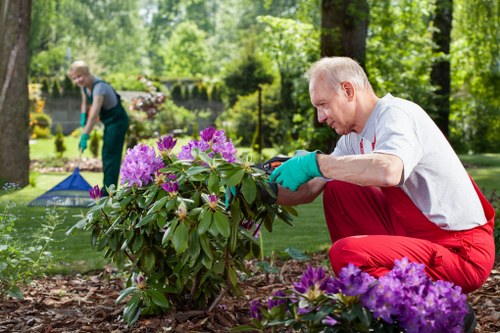
Bloomsbury has a distinctive urban landscape, where green spaces are often compact but highly visible. That means hedge trimming needs to suit both the plant species and the surrounding environment. A hedge on a quiet residential terrace may need a formal, crisp finish, while one bordering a shaded courtyard might benefit from lighter, more selective trimming.
Local conditions can influence how hedges grow. Buildings can create pockets of shade, narrow plots may reduce airflow, and paved areas can affect moisture retention in the soil. All of this impacts hedge maintenance in Bloomsbury, making proper timing and method essential. Trimming too aggressively or too late in the season can weaken growth and leave gaps that take months to recover.
It is also worth noting that in urban areas, hedges often serve several roles at once: screening, decoration, habitat support, and boundary definition. A good hedge trimming service respects those roles by shaping plants without stripping them of density or natural form. That approach keeps outdoor spaces attractive while still supporting long-term plant health.
Benefits of Regular Hedge Trimming
Regular hedge trimming in Bloomsbury delivers both immediate and long-term benefits. The most obvious is appearance: a clipped hedge creates structure, order, and a polished finish. But the benefits go further than looks alone.
Here are some of the key advantages:
- Improved plant health through controlled, even growth
- Better light access for nearby plants, lawns, and windows
- Cleaner boundaries for paths, driveways, and entrances
- Enhanced privacy without allowing hedges to become overgrown
- Reduced risk of disease by removing weak or crowded growth
- Safer access around walkways and garden edges
When hedges are left too long between trims, they can become difficult to manage. Dense outer growth may block light and air from reaching the inner stems, which can cause thinning inside the hedge. Frequent trimming encourages thicker growth, making the hedge stronger and more attractive overall.
Common Hedge Types Found in Bloomsbury
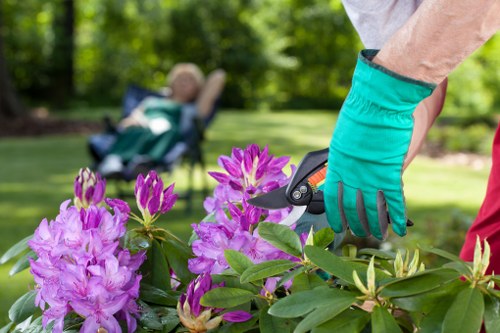
Different species respond differently to trimming, which is why hedge trimming in Bloomsbury should be tailored to the plant. Some hedges need frequent shaping, while others benefit from a lighter seasonal approach. Understanding the type of hedge helps determine the best method, tools, and timing.
Common hedge varieties in urban London gardens may include:
- Box hedges for formal borders and edging
- Privet hedges for dense screening and flexibility
- Laurel hedges for faster growth and broad leaves
- Yew hedges for elegant structure and slower, steady shaping
- Beech hedges for seasonal colour and classic appeal
Each type has a slightly different trimming preference. For example, box hedges usually demand precise, frequent shaping, while laurel hedges may need careful reduction to avoid leaf damage. A skilled approach to hedge cutting in Bloomsbury ensures the plants remain dense, neat, and healthy.
Best Times for Hedge Trimming in Bloomsbury
Timing is a key part of successful hedge trimming in Bloomsbury. Trimming at the right moment helps avoid stress to the plant and supports better regrowth. In general, the ideal schedule depends on species, growth rate, nesting season considerations, and the desired finish.
As a simple rule:
- Fast-growing hedges may need trimming two to four times a year
- Slower-growing hedges often need one or two trims annually
- Formal hedges usually require more frequent shaping
- Wildlife-sensitive periods should always be checked before cutting
Many property owners in Bloomsbury prefer trimming in late spring and again in late summer, though the exact schedule may vary. Avoid heavy pruning during harsh frost, extreme heat, or when birds may be nesting. Responsible hedge maintenance means balancing aesthetics with plant welfare and local wildlife protection.
Professional Hedge Trimming vs DIY Maintenance

Some hedge trimming tasks can be handled by homeowners, especially with small, accessible hedges. However, professional hedge trimming in Bloomsbury is often the smarter choice for larger, taller, or more complex hedges. The difference is not only about convenience; it is also about quality, safety, and long-term results.
A professional service typically brings the following advantages:
- Accurate shaping for a clean and even finish
- Correct tools for the hedge species and size
- Safe working methods for tall or awkward hedges
- Efficient waste removal after the trim
- Advice on aftercare and future maintenance
DIY trimming can sometimes leave hedges uneven, overly narrow at the base, or stripped in a way that affects regrowth. Professionals understand how to create a slight taper, allowing the lower branches to receive enough light. That simple detail helps prevent the top from shading out the bottom, which is one of the most common causes of sparse hedges.
How Hedge Trimming Supports Healthy Growth
Good hedge trimming in Bloomsbury is not just about cutting back overgrowth. Done correctly, it stimulates fresh growth and strengthens the hedge structure. By removing the outer tips and shaping the plant, trimming encourages new shoots to develop along the sides rather than only at the top.
This matters because many hedges naturally grow upwards faster than outward. Without regular shaping, the hedge can become top-heavy and lose its compact form. A controlled trim redirects energy into lateral growth, helping the hedge remain full from top to bottom.
Healthy hedge trimming also helps remove dead, damaged, or diseased sections before they spread. In urban settings where hedges may face pollution, shade, and root competition, this kind of maintenance can make a noticeable difference. The result is a hedge that looks cleaner now and remains robust over time.
What a Quality Hedge Trimming Service Includes

A reliable hedge trimming service in Bloomsbury should be thorough, tidy, and tailored to the property. Whether the hedge is part of a private garden or a shared residential boundary, attention to detail matters. A well-planned service usually goes beyond simply cutting back growth.
Typical service elements may include:
- Initial assessment of hedge type, height, and condition
- Precision trimming to the chosen shape or line
- Selective pruning of dead or damaged branches
- Levelling and refining the hedge face and top
- Clearance of clippings and basic site tidying
- Optional advice on ongoing hedge care
In Bloomsbury, where outdoor spaces are often close to windows, pavements, and neighbouring properties, careful cleanup is especially important. No one wants clipped foliage left across a path or front step. A professional finish should look neat from every angle and leave the garden ready to enjoy immediately.
Shaping Styles That Suit Bloomsbury Properties
Different properties call for different hedge shapes. A formal London terrace may suit straight edges and sharp corners, while a more relaxed courtyard may look better with softer lines. Hedge trimming in Bloomsbury often blends practical considerations with the overall design of the garden.
Popular hedge shaping styles include:
- Formal rectangular shaping for a traditional and tidy look
- Soft tapering for healthier light distribution and a natural finish
- Rounded tops for a classic ornamental effect
- Minimal clipping for informal privacy hedges
- Topiary-inspired outlines for decorative garden features
The most important point is consistency. A hedge that is trimmed regularly is easier to shape than one left too long between cuts. Over time, repeated maintenance creates clean lines and reduces the need for drastic cutting.
Safety Considerations During Hedge Trimming
Safety should always be part of hedge trimming in Bloomsbury, especially where hedges are tall, thick, or close to roads and paths. Trimming can involve ladders, sharp tools, and falling debris, so proper precautions matter. Even smaller jobs can become risky if the ground is uneven or if the hedge is near electrical fittings or narrow access points.
Some key safety practices include:
- Wearing protective gloves and eye protection
- Using stable footing and appropriate access equipment
- Checking for hidden obstacles before cutting
- Keeping pets and children away during work
- Inspecting for nesting birds or wildlife before trimming
Professional hedge trimming services are usually better equipped to manage these risks. They also know how to reduce the chance of damaging fences, walls, or neighbouring plants. In a dense urban area like Bloomsbury, that level of care is especially valuable.
Aftercare Tips Following Hedge Trimming
After hedge trimming in Bloomsbury, a little aftercare helps the plant recover and thrive. Watering may be useful during dry periods, especially if the hedge has undergone a significant cut. Mulching around the base can also help retain moisture and suppress weeds, which reduces competition for nutrients.
Useful aftercare actions include:
- Watering deeply in dry weather
- Checking for stress or browning leaves after a major trim
- Applying mulch to support soil moisture
- Feeding only when appropriate for the hedge species
- Monitoring new growth for even recovery
It is usually best not to overfeed immediately after trimming unless the hedge clearly needs support. Too much fertiliser can encourage weak, overly soft growth. The aim is steady recovery, not a sudden burst that will need constant correction.
Environmental Benefits of Well-Maintained Hedges
Beyond appearance, hedge trimming in Bloomsbury also supports a healthier urban environment when done responsibly. Dense, well-managed hedges can provide shelter for birds and insects, contribute to biodiversity, and act as natural soft barriers that reduce visual harshness in built-up areas.
Careful trimming can help preserve these benefits. Rather than cutting hedges back too aggressively, selective shaping maintains structure while still leaving room for wildlife. This balanced approach allows gardens to remain tidy without becoming sterile or overmanaged.
Hedges also help soften noise, filter dust, and add greenery to streets where space is limited. In a neighbourhood like Bloomsbury, where exterior space is often at a premium, every healthy hedge contributes to the overall sense of calm and liveability. That is why consistent hedge care is both a visual and environmental investment.
Choosing the Right Hedge Trimming Approach
What to Consider Before Cutting
Before arranging hedge trimming in Bloomsbury, it is wise to think about the hedge’s current condition, species, and purpose. Is it mainly decorative, or does it provide privacy? Is it newly planted, mature, or in need of restoration? These factors influence how much should be removed and how often trimming should occur.
Consider the following points:
- Hedge height and accessibility
- Species-specific needs
- Desired appearance
- Nearby wildlife activity
- Seasonal weather
A hedge that has been neglected for years may need staged reduction rather than a single heavy cut. In contrast, a well-maintained hedge may only need light shaping to keep it in line. The best outcome comes from matching the method to the hedge, not the other way around.
Why Local Expertise Makes a Difference
Bloomsbury properties can present unique challenges: limited access, shared boundaries, mature gardens, shaded plots, and hedges that must be trimmed with sensitivity to surrounding structures. Local experience helps ensure the job is done efficiently and with minimal disruption.
Professionals familiar with hedge trimming in Bloomsbury understand the pace of seasonal growth in London, common hedge species used in the area, and the standards expected in a central residential setting. That local awareness often leads to better results because the trimming plan can be adapted to real site conditions rather than relying on a generic method.
In short, local knowledge supports better shaping, smarter timing, and a cleaner overall finish. It can also reduce the need for corrective work later, saving time and expense in the long run.
Signs Your Hedge Needs Trimming Soon
It is not always obvious when a hedge is due for attention. However, there are several signs that indicate it is time to book hedge trimming in Bloomsbury. Catching these early can prevent the hedge from becoming unruly or damaged.
Look out for these warning signs:
- Branches extending beyond the desired boundary
- Uneven shape or lopsided growth
- Reduced light reaching nearby areas
- Dead or broken stems within the hedge
- Hedges rubbing against walls, fences, or windows
- Dense top growth with sparse lower sections
If any of these signs are present, trimming should not be delayed for too long. A timely cut is usually easier, cleaner, and less stressful for the plant than a severe corrective prune later on.
Creating a Year-Round Hedge Care Plan
To keep hedges looking their best, many Bloomsbury property owners benefit from a year-round care plan. This does not need to be complicated. It simply means checking growth regularly and scheduling hedge trimming in Bloomsbury at sensible intervals.
A practical annual routine may include:
- Spring inspection for winter damage and early shaping needs
- Summer trimming to maintain form during active growth
- Late-season tidy-up to prepare the hedge for colder months
- Occasional health checks for pests, disease, or bare patches
With consistent care, hedges remain easier to manage and more attractive throughout the year. This approach works especially well in Bloomsbury, where tidy, elegant outdoor spaces are part of the area’s charm.
Book Hedge Trimming in Bloomsbury with Confidence
Whether you need a quick tidy-up or a full seasonal reshape, hedge trimming in Bloomsbury should be approached with care, skill, and attention to detail. The right service can transform a garden boundary from overgrown and uneven into a crisp feature that enhances the whole property.
If you want to maintain privacy, improve curb appeal, and keep your hedges healthy, regular trimming is one of the most effective steps you can take. It protects plant structure, supports growth, and ensures your outdoor space always looks its best. For residential gardens, communal spaces, and managed properties alike, professional hedge care offers long-term value.
Contact us today to discuss your hedge needs, or book your service now to keep your Bloomsbury garden neat, healthy, and beautifully maintained. With the right trimming schedule, your hedges can stay attractive, functional, and perfectly suited to their surroundings all year round.