Landscape Gardening in Bloomsbury: Creating Elegant, Practical Outdoor Spaces
Landscape gardening in Bloomsbury is about much more than making a garden look attractive. In one of London’s most characterful areas, it means shaping outdoor spaces that respect historic surroundings, suit modern living, and bring year-round value to homes, courtyards, terraces, and commercial properties. Whether you are working with a compact urban garden, a secluded square, or a roof terrace, landscape gardening in Bloomsbury requires a careful balance of design, planting, structure, and maintenance.
Bloomsbury is known for its garden squares, elegant terraces, literary heritage, and leafy pockets of calm. That makes it an ideal location for thoughtful landscape gardening that blends style with function. From shaded courtyards and formal borders to low-maintenance planting schemes and sustainable solutions, the right approach can transform a modest outdoor area into a space that feels inviting all year round. If you are planning to refresh your garden, improve kerb appeal, or create a private retreat, Bloomsbury landscape gardening can deliver results that are both beautiful and practical.
In this article, we explore the principles, plant choices, design ideas, and maintenance considerations that matter most for gardens in this central London neighbourhood. You will also find ideas for maximizing smaller spaces, supporting biodiversity, and creating a polished finish that suits Bloomsbury’s distinctive setting.
Understanding the Character of Bloomsbury Gardens

Bloomsbury has a unique identity that strongly influences the way outdoor spaces are designed. Many properties sit within conservation-minded streets, elegant terraces, or older buildings with limited outdoor footprints. As a result, landscape gardening in Bloomsbury often focuses on refined layouts, space-saving planting, and materials that complement the architecture rather than overpower it.
One of the defining features of Bloomsbury landscape gardening is the need to work with urban constraints. Gardens may be narrow, shaded by buildings, or enclosed by walls and fences. Yet these limitations can become opportunities. A small space can feel luxurious with layered planting, well-chosen paving, and subtle lighting. A courtyard can become a private sanctuary through vertical interest and carefully arranged containers.
Because Bloomsbury is associated with tradition, culture, and understated elegance, the best gardens often avoid clutter and instead prioritize structure, texture, and seasonal rhythm. Clean lines, classic materials, and restrained planting palettes often work particularly well. However, that does not mean the space should feel formal or stiff. The most successful landscape gardening in Bloomsbury creates a sense of calm and livability.
Why Landscape Gardening Matters in Bloomsbury
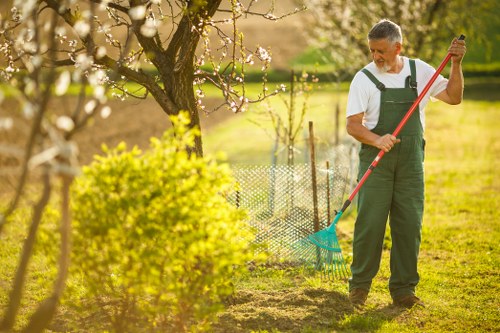
Outdoor space in Bloomsbury is valuable. In an area where gardens are often limited in size, a well-planned landscape can add usability, beauty, and long-term property appeal. Landscape gardening helps homeowners and property managers make the most of every square metre, turning underused areas into places for relaxation, dining, entertaining, or quiet reflection.
Professional landscape gardening in Bloomsbury can also improve environmental performance. Thoughtful planting can support pollinators, reduce surface water runoff, and soften the hard edges common in urban environments. Well-designed gardens may help cool down a property in summer, improve privacy, and create a healthier microclimate around the home.
For many people, the main reason to invest in Bloomsbury landscape gardening is simple: quality of life. A beautiful garden offers a space to unwind after a busy day, enjoy morning coffee, grow herbs or flowers, and connect with nature without leaving central London. When designed well, the outdoor area becomes an extension of the home rather than a separate part of it.
Planning a Landscape Garden in Bloomsbury
Good planning is the foundation of any successful garden transformation. Before choosing plants or materials, it is important to understand how the space will be used and what conditions it presents. Landscape gardening in Bloomsbury usually begins with a detailed assessment of light, access, soil, drainage, privacy, and the style of the property.
Think carefully about how you want the garden to feel. Do you want a formal, structured setting with symmetry and evergreen hedging? Or would you prefer a softer, more natural look with layered perennials and seasonal colour? Perhaps the priority is low maintenance, family use, or making a small courtyard appear larger. Defining the purpose early helps shape every design decision.
It is also wise to consider the relationship between the garden and the surrounding architecture. Bloomsbury properties often have historical charm, so your outdoor space should feel like a natural extension of the building. The best landscape gardening in Bloomsbury often uses a respectful combination of traditional design elements and contemporary practicality.
Key planning questions to ask
- How will the space be used throughout the year?
- How much sun or shade does the garden receive?
- Do you need privacy from neighbouring properties?
- Will the garden need to accommodate children, pets, or guests?
- What level of maintenance are you comfortable with?
Design Ideas for Bloomsbury Landscape Gardening
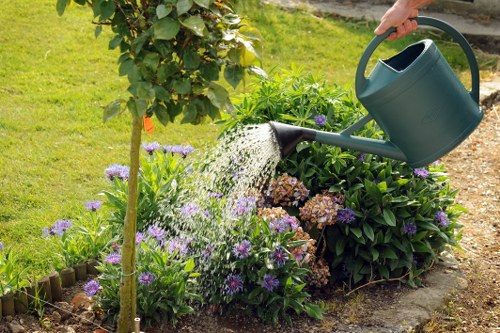
There are many ways to approach landscape gardening in Bloomsbury, depending on the size and style of the property. A well-designed garden can be formal or informal, contemporary or traditional, bold or understated. What matters most is coherence. Every feature should contribute to the overall experience of the space.
For smaller gardens, consider using a limited palette of materials and plants. Repetition creates calm and makes compact spaces feel more intentional. Pale paving, simple planters, and evergreen structure can help reflect light and make the garden appear larger. In contrast, too many different textures or colors may make the area feel crowded.
Another effective strategy is to create distinct zones. Even a small Bloomsbury garden can contain a seating area, a planting area, and a visual focal point. This could be a water feature, a sculptural tree, a bench, or a raised bed. Zoning helps the space feel larger, more organized, and more functional.
Popular design features
- Raised beds for structure and easier planting
- Built-in seating to save space
- Contemporary paving for a neat and elegant finish
- Climbing plants to soften walls and fences
- Discrete lighting for evening atmosphere
- Container planting for flexibility and seasonal change
When used thoughtfully, these features can make a major difference to the feel of a garden. In Bloomsbury, where space is often at a premium, every design choice should serve both appearance and practicality.
Planting Choices for Bloomsbury Gardens

Plant selection is one of the most important parts of landscape gardening in Bloomsbury. Because many properties experience shade, wind, or limited soil depth, the planting scheme must be suited to local conditions. Successful gardens often combine evergreen structure with seasonal planting, creating interest across all four seasons.
In shaded gardens, plants such as ferns, hellebores, hostas, hydrangeas, and certain varieties of ivy can perform well. For sunnier spaces, lavender, salvia, roses, ornamental grasses, and Mediterranean-style planting may be ideal. The goal is not just to choose attractive plants, but to select species that will thrive in the specific environment.
Bloomsbury landscape gardening also benefits from a layered planting approach. Taller shrubs or small trees can provide height and privacy, mid-level perennials can add texture and colour, and groundcover plants can fill gaps while reducing maintenance. This layered effect creates depth, which is especially important in small gardens where flat planting can feel uninspiring.
Planting considerations for urban gardens
- Choose plants that suit shade, partial shade, or sun exposure
- Use evergreen species for year-round structure
- Select drought-tolerant varieties where drainage is fast
- Mix seasonal flowers with architectural foliage
- Include pollinator-friendly plants to support biodiversity
For many homeowners, container planting is a smart way to add flexibility. Pots and troughs can be moved, replaced, or refreshed as the seasons change. This is particularly useful in Bloomsbury, where rented properties, shared spaces, or courtyards may require adaptable solutions.
Hard Landscaping and Materials That Suit Bloomsbury
Hard landscaping forms the backbone of many outdoor spaces. Paths, patios, walls, steps, and edging define the garden’s layout and provide the practical foundation for planting. In Bloomsbury, the choice of materials should reflect the character of the property while standing up well to urban conditions.
Natural stone, brick, reclaimed materials, and high-quality porcelain paving are all popular options. The right choice depends on the overall design direction. Traditional properties may suit brick and natural stone, while more contemporary spaces may benefit from clean, modern finishes. Whatever the style, materials should feel durable, harmonious, and easy to maintain.
Landscape gardening in Bloomsbury often works best when hard landscaping is understated rather than overpowering. Since the surrounding architecture already has strong character, outdoor materials should complement rather than compete. Matching tones, subtle textures, and precise detailing can create a polished and timeless result.
Hard landscaping features worth considering
- Pathways that improve flow through the garden
- Patios for dining or sitting areas
- Retaining walls or raised planters for structure
- Steps and changes in level where needed
- Decorative edging to define borders
- Gravel zones for drainage and texture
Where possible, it is beneficial to choose permeable or partially permeable solutions to support drainage and reduce runoff. This is especially useful in urban settings where rainfall management matters.
Making Small Bloomsbury Gardens Feel Larger
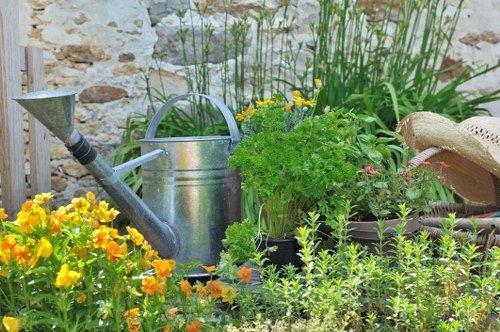
Many Bloomsbury gardens are modest in size, but small does not have to mean limited. With intelligent landscape gardening, a compact outdoor space can feel open, elegant, and highly usable. The key is to create visual flow and avoid overcrowding the area.
One of the best methods is to simplify the layout. Fewer materials, fewer plant types, and fewer competing features often produce a stronger result. A cohesive scheme helps the eye move smoothly through the space, making it feel larger and more restful.
Mirrors, pale surfaces, layered planting, and slimline furniture can all help enhance the sense of space. Vertical features are especially useful in Bloomsbury landscape gardening. Climbing plants, wall trellises, tall narrow trees, and vertical gardens add height without using valuable floor space.
Space-enhancing techniques
- Use diagonal lines to create depth
- Keep circulation paths clear and simple
- Choose furniture that folds or tucks away easily
- Repeat plant groups for visual consistency
- Use lighting to highlight boundaries and focal points
Even the smallest courtyard can become a stylish retreat when the design is focused and uncluttered. In landscape gardening in Bloomsbury, restraint often delivers the most elegant outcome.
Sustainable Landscape Gardening in Bloomsbury
Sustainability is increasingly important in modern garden design, and it fits naturally with the goals of landscape gardening in Bloomsbury. Urban gardens can play a meaningful role in supporting nature, reducing waste, and improving environmental performance. A sustainable approach does not have to sacrifice style. In fact, it often results in a healthier and more resilient garden.
Choosing drought-tolerant plants, improving soil health, and reducing excessive paving are all helpful steps. Composting organic waste, using mulch to retain moisture, and selecting long-lasting materials can also make a significant difference. Sustainable garden design is about making careful choices that reduce future maintenance while supporting long-term growth.
Another important aspect is biodiversity. Bloomsbury gardens can support insects, birds, and small wildlife through nectar-rich planting, water sources, and habitat-friendly features. Even a compact outdoor space can contribute positively to the local ecosystem.
Sustainability tips for Bloomsbury gardens
- Choose native and pollinator-friendly plants where suitable
- Use mulch to reduce water loss and suppress weeds
- Install rain-harvesting or water-saving systems where possible
- Avoid overuse of synthetic treatments
- Favor durable materials that age well
By blending ecology with design, Bloomsbury landscape gardening can create spaces that feel good to use and better for the environment too.
Lighting, Mood, and Evening Use
Lighting is often overlooked, but it can completely change how a garden feels after dark. In Bloomsbury, where outdoor spaces may be used for socializing, reading, or quiet relaxation, subtle lighting adds both atmosphere and safety. A good lighting plan can highlight planting, guide movement, and make the garden more versatile.
Rather than using harsh or overly bright lighting, consider soft illumination that enhances key features. Uplighters near trees, low-level lights along paths, and warm-toned wall lights can create a welcoming effect. The aim is to make the space usable without losing its calm character.
Landscape gardening in Bloomsbury often benefits from lighting that is discreet and carefully placed. This preserves the elegance of the design while ensuring the garden can be enjoyed in the evening. When combined with seating, planting, and hard landscaping, lighting completes the overall outdoor experience.
Good lighting can help with:
- Path visibility and safe movement
- Highlighting trees, borders, and focal points
- Creating a cosy atmosphere for evening use
- Extending the usability of the garden into darker months
Maintenance for Long-Lasting Results
Even the most carefully designed garden will need ongoing care to stay at its best. Maintenance is a crucial part of landscape gardening in Bloomsbury, especially in city settings where plants may face shade, pollution, compacted soil, or limited growing space. A sensible maintenance plan keeps the garden healthy, tidy, and visually appealing throughout the year.
Seasonal tasks may include pruning, deadheading, feeding, weeding, mulching, and checking drainage. Lawns, if included, should be managed with care because urban conditions can make grass more challenging to maintain. In many cases, alternatives such as gravel, paving, or planted groundcover may be more practical and equally attractive.
Regular maintenance also gives you the chance to refine the garden over time. Plants can be replaced, borders reshaped, and features adjusted as needs change. That flexibility is important in Bloomsbury, where a garden may need to evolve alongside the property and its occupants.
Essential maintenance tasks
- Trim and shape hedges or shrubs
- Check irrigation and drainage systems
- Refresh mulch and soil conditioners
- Remove weeds before they spread
- Inspect hard landscaping for wear or movement
- Replace tired seasonal plants as needed
With steady care, landscape gardening in Bloomsbury can remain elegant and functional for many years.
Choosing the Right Approach for Your Property
Every Bloomsbury property is different, and the best garden solution depends on its individual context. A townhouse courtyard, a basement garden, a communal square, and a roof terrace all have different requirements. The most effective landscape gardening in Bloomsbury starts with a clear understanding of the site and a realistic vision for what the space can achieve.
For heritage-sensitive properties, a subtle and timeless design may be best. For modern homes, a sharper, more architectural look may feel more appropriate. In either case, a successful scheme should feel integrated, practical, and easy to enjoy. Good design should improve everyday life, not create extra stress.
If you are considering an update, it may be helpful to focus on a few core priorities: better use of space, stronger planting, improved privacy, or more usable seating. Once these are defined, the rest of the design becomes clearer. This is where professional landscape gardening in Bloomsbury can make a noticeable difference.
Signs your garden may need a redesign
- The space feels too dark or cluttered
- Planting is patchy or difficult to maintain
- There is little privacy from neighbouring buildings
- Paths and seating areas are awkward to use
- The garden no longer suits your lifestyle
Bringing It All Together
Landscape gardening in Bloomsbury is a chance to combine creativity, practicality, and respect for place. With the right design approach, even the smallest outdoor area can become a calm, attractive, and highly functional retreat. From plant choice and paving to lighting and maintenance, every detail matters.
The most successful Bloomsbury gardens usually share a few qualities: strong structure, thoughtful planting, elegant materials, and a clear sense of purpose. They feel balanced rather than crowded, personal rather than generic, and timeless rather than trendy. Whether the goal is a quiet private garden, a stylish courtyard, or a low-maintenance urban escape, good planning is the key.
If you are ready to improve your outdoor space, now is the perfect time to take the next step. Contact us today to discuss your ideas for landscape gardening in Bloomsbury, or book your service now to start turning your garden into a space you will truly enjoy.