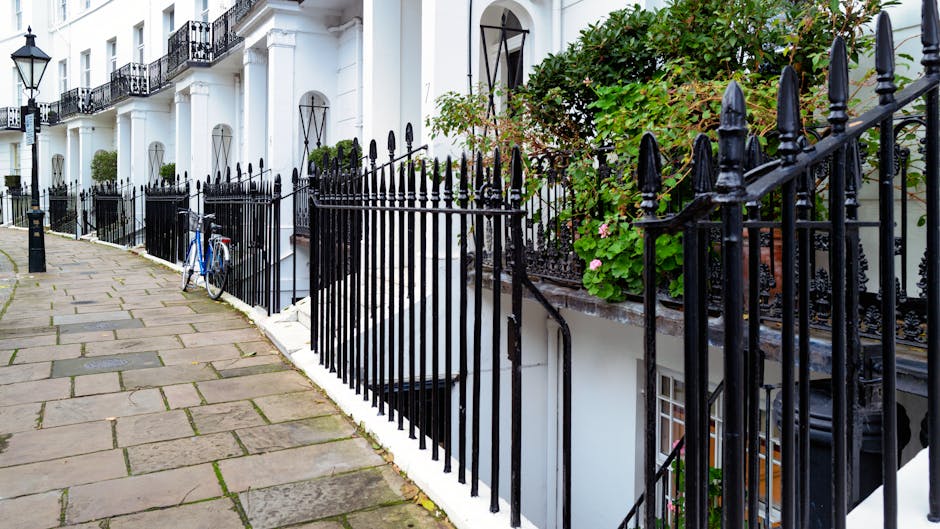
Tavistock Square communal garden upkeep tips for Bloomsbury flats
If you live in one of the Bloomsbury flats around Tavistock Square, you already know the garden is doing a lot of quiet work. It softens the street view, gives residents a place to pause, and makes the whole building feel calmer on a grey London morning. But communal gardens are also a shared responsibility, which means they can go from neat and restful to tired and scruffy faster than people expect. The good news? With the right Tavistock Square communal garden upkeep tips for Bloomsbury flats, that shared space can stay healthy, tidy, and genuinely pleasant without becoming a headache.
In this guide, we will look at what communal upkeep really involves, how to organise it sensibly, and where residents, leaseholders, and managing agents often trip up. You will also find a practical checklist, a comparison table, and a few real-world examples from the kind of small, shared gardens that are common in central London. Nothing fancy. Just useful, grounded advice that helps the space look cared for all year round.
Why Tavistock Square communal garden upkeep tips for Bloomsbury flats Matters
Communal gardens are never just decorative. In Bloomsbury, where space is tight and buildings sit close together, a shared garden often becomes the only bit of breathing room residents have access to. That means upkeep affects more than appearances. It affects how people use the space, how long plants survive, and even how residents feel about the building itself.
For Tavistock Square flats, the garden may be looked after by a managing agent, a residents' group, a freeholder, or a combination of all three. That sounds simple until the first patch of weeds appears, the hedge starts leaning into a path, or someone leaves a bike, plant pot, or bag of garden waste in the wrong place. Then suddenly the job is everyone's and no one's at once. A bit annoying, honestly.
The point of a good upkeep plan is to remove that grey area. You want a routine that keeps the shared space clean, safe, attractive, and easy to maintain. Not over-managed. Not neglected. Just steady and sensible.
If you are thinking about a full refresh rather than routine care, it can help to look at a broader garden maintenance plan or even a one-off garden restoration approach when the garden has already slipped a bit.
How Tavistock Square communal garden upkeep tips for Bloomsbury flats Works
Good communal upkeep works best when it is treated like a small system rather than a random list of jobs. In a shared Bloomsbury garden, there are usually five moving parts: cleaning, planting, pruning, waste handling, and coordination. Miss one for long enough and the whole thing starts to look uneven.
Start with the basics. Pathways need to stay clear. Beds need regular weeding and light feeding. Shrubs and hedges need trimming before they become awkward to manage. Containers need watering at the right pace, because flat gardens can dry out quickly in sheltered corners and then get waterlogged after a wet spell. And yes, the weather in London likes to keep everyone humble.
There is also the social side. A communal garden only works if everyone understands what is shared, what is private, and what should not be touched. This is where a simple noticeboard, resident agreement, or email update helps a lot. No one needs a six-page policy. Just clarity.
In practice, the upkeep rhythm often looks like this:
- weekly or fortnightly light tidying
- monthly checks for weeds, drainage issues, and dead growth
- seasonal pruning, replanting, and soil care
- occasional pressure washing or patio cleaning where paths and seating areas get slippery
- an annual review of planting, access, and safety
That rhythm matters because communal gardens age in layers. The weeds show first. Then the clutter. Then the deeper stuff, like compacted soil, weak stems, or hidden drainage trouble. Catching those problems early is cheaper and calmer. To be fair, calmer is underrated.
Key Benefits and Practical Advantages
When upkeep is done well, the benefits are broader than most people expect. A neat shared garden can make the whole building feel more polished, but the practical gains are just as important.
- Better everyday use: Residents are more likely to sit outside, read, chat, or simply open a window onto something pleasant.
- Lower repair risk: Regular hedge trimming, deadheading, and weed control reduce the chance of plants taking over paths, walls, or drains.
- Stronger curb appeal: A tidy communal garden changes first impressions. That matters if visitors, buyers, or tenants pass through.
- Safer shared access: Clear sightlines, uncluttered routes, and stable surfaces help reduce trip hazards.
- More resilient planting: A managed garden usually copes better with shade, wind, and dry spells because the planting scheme is kept in balance.
There is also a less obvious benefit: residents argue less. That sounds blunt, but it is true. Clear maintenance routines reduce the little daily frustrations that make communal spaces awkward. No one wants to be the person chasing up overgrown ivy for the third time this month. If invasive growth is already creeping in, removing ivy properly can make a big difference.
And if the garden includes planting that needs slightly more care, such as ornamentals or shade-loving specimens, it helps to borrow ideas from well-cared orchid guidance and adapt the principles: right light, right watering, right attention.
Who This Is For and When It Makes Sense
This kind of upkeep advice is useful for a few different people, and the needs are slightly different for each.
- Leaseholders and residents: If you share the garden but do not manage it directly, you need a realistic sense of what "good enough" looks like and when to escalate.
- Managing agents: You need a schedule that is predictable, defendable, and easy to communicate.
- Freeholders or landlords: You need an approach that protects the property, keeps the space usable, and avoids reactive repairs.
- Garden committees or residents' associations: You need small, repeatable tasks and a clear division of responsibility.
It makes sense to formalise upkeep when you see any of the following:
- the garden looks uneven from one month to the next
- weeds keep returning in the same areas
- planting is failing because no one knows who waters what
- paths are becoming slippery or cluttered
- the same complaints keep coming back in emails or meetings
If the space is small and shaded, you may also want low-maintenance planting that does not demand constant intervention. A good starting point is low-maintenance garden strategies, especially for busy blocks where nobody has time to fuss over every border.
On the other hand, if the communal area is being redesigned for better flow, privacy, or use, a broader landscaping plan may be the smarter first step.
Step-by-Step Guidance
Here is the part most people actually need: a practical sequence that makes communal upkeep manageable rather than vague.
-
Survey the current condition.
Walk the garden slowly and look for obvious issues first: weeds, broken edging, dead plants, blocked drainage, low branches, litter, and tired soil. In a shared garden, people often overlook the "small" things, but they are usually the early warning signs.
-
Separate essential tasks from cosmetic ones.
There is a big difference between a plant that merely looks untidy and a hedge that is blocking light or access. Deal with safety, access, and plant health first. The pretty stuff comes after that.
-
Set a basic schedule.
For most Bloomsbury flat gardens, weekly tidying and monthly maintenance checks are enough to stay ahead of problems. In spring and summer, you will probably need more frequent watering and deadheading. In autumn, leaf clearance becomes the main event, whether anyone likes it or not.
-
Choose planting that matches the site.
Shaded areas benefit from tougher shade-tolerant plants, while sunnier pockets can handle more flowers or herbs. For structure, use evergreen climbers or dense shrubs where privacy matters. For ground cover, look at options that suppress weeds naturally and reduce bare soil. A good reference point is ground cover plants for a thriving UK garden.
-
Sort the water and drainage situation early.
Many communal garden problems begin with water going where it should not. Pots dry out, borders become soggy, and paved areas hold puddles. If you have a mix of containers and beds, container gardening methods can help reduce pressure on the main planting scheme while keeping the space flexible.
-
Keep circulation routes clear.
Any shared path, step, or doorway should stay easy to use. Trim back growth before it narrows access, and keep tools, bins, and residents' belongings out of the way. This is one of those things that sounds obvious until it is not.
-
Manage waste consistently.
Garden waste left in bags for too long attracts complaints quickly. Compost where suitable, remove green waste promptly, and avoid piling clippings in corners. If you are looking to reduce waste and improve soil health, innovative waste recycling for flourishing soil ecosystems is worth a read.
-
Review and reset each season.
A communal garden in Bloomsbury changes through the year. Spring needs planting and feeding. Summer needs watering and trimming. Autumn needs leaf clearing. Winter needs structure, drainage, and weather checks. This seasonal reset is the difference between "kept" and merely "visited".
Expert Tips for Better Results
Once the basics are in place, the smaller decisions make the biggest difference. These are the things that tend to separate an okay shared garden from one that feels genuinely considered.
- Use repeat planting. A few well-chosen species planted in groups usually looks better than a jumble of one-offs. It also simplifies maintenance.
- Think in layers. Ground cover below, shrubs in the middle, vertical interest above. That layered structure helps a small communal garden feel fuller without becoming crowded.
- Trim before things get theatrical. Overgrown hedges and climbers are harder to correct after they have sprawled. Light, regular pruning is less dramatic and far more effective.
- Keep one area intentionally simple. A seating corner or central lawn works better if not every inch is competing for attention. Quiet space matters.
- Protect the soil. In a shared garden, soil gets compacted surprisingly fast from repeated foot traffic. Avoid unnecessary disturbance and top-dress where needed.
- Plan for wind and shade, not just aesthetics. Bloomsbury gardens can be sheltered in one spot and exposed in another. Some planting gets battered; some languishes in shade. Match the plant to the place.
If your communal area has a narrow, tall feel, vertical planting can make it seem more alive without stealing walking space. The idea is explored well in vertical gardening ideas, and it suits a lot of London courtyards.
For leafy privacy without a heavy rebuild, you might also consider fast-growing hedge ideas or even a few carefully chosen climbers from evergreen climbers for shade.
One small truth: a garden that is slightly simpler is often easier to keep beautiful than one that tries to do everything at once. Less drama, more charm.
Common Mistakes to Avoid
Most communal garden problems do not begin with one big mistake. They begin with lots of small ones that nobody quite owns. Familiar story, yes?
- Waiting for a big clear-out: If everyone assumes a major tidy-up will happen later, the garden can drift for months.
- Ignoring the planting scheme: Random additions from different residents can make the garden harder to maintain and visually messy.
- Overwatering containers: Shared gardens often have well-meaning watering, but too much water can be just as damaging as too little.
- Letting hedges go too long: Once they become bulky and woody, trimming becomes slower, harder, and more disruptive.
- Using one person as default gardener: Good communal upkeep needs shared accountability, not an unofficial volunteer doing everything.
- Choosing attractive but high-maintenance plants everywhere: Beauty is nice. So is being able to go on holiday without a plant crisis.
There is also the mistake of forgetting weather resilience. Bloomsbury can see sudden heavy rain, drying wind, and odd temperature shifts in quick succession. A shared garden that ignores that reality will always look a bit fragile. If severe weather is a recurring issue, it helps to read about mitigating severe weather impacts on your garden.
Likewise, if weeds are the main recurring nuisance, do not just cut them off and hope for the best. That usually ends in disappointment. A more disciplined approach to controlling weeds will save time later.
Tools, Resources and Recommendations
You do not need a shed full of equipment to keep a communal garden in good shape. But the right basic tools make routine jobs quicker, cleaner, and less frustrating.
- hand trowel and hand fork for beds and containers
- secateurs for deadheading and light pruning
- loppers for thicker stems and awkward growth
- garden gloves that actually fit
- watering can or hose system suited to the space
- leaf rake, broom, and waste sacks
- spade or border fork for soil improvements
- basic cleaning kit for paving and shared hard surfaces
For a more organised approach, some blocks keep a small shared maintenance kit and a note of what gets used most often. That way, no one turns up with three identical trowels and no pruning shears. Happens more often than you would think.
If you are planning maintenance work that goes beyond hand tools, the site's broader service pages can help you compare what you need. For example, lawn care is useful if there is a grass area to protect, while patio cleaning makes sense where paths and sitting areas have become slippery or stained.
For more involved tasks, such as hedge shaping or structural pruning, it may be worth looking into hedge trimming in Bloomsbury or tree surgery where branches are affecting light, access, or safety.
Law, Compliance, Standards, or Best Practice
For communal garden upkeep in London, the most important thing is to stay careful, organised, and sensible. This is not legal advice, and specific obligations can vary depending on the building structure, lease terms, and management arrangements. Still, a few best-practice principles apply almost everywhere.
First, shared spaces should be managed with resident safety in mind. That means clear paths, stable surfaces, no hidden hazards, and sensible storage of tools or materials. If contractors are involved, they should work safely and follow good site practices. A provider that treats safety seriously will usually have something like a health and safety policy and clear insurance and safety information.
Second, if access routes are part of the communal garden, they should not be obstructed by overgrowth, pots, furniture, or waste. That is basic practice, but it gets overlooked in smaller blocks where people assume no one will mind. They do mind, eventually.
Third, shared decision-making works better when expectations are written down. Not in a heavy-handed way. Just enough to avoid arguments about who waters, who trims, and who pays for replacement plants. Transparency helps.
If maintenance is being arranged through a professional team, it is sensible to review the provider's terms and conditions, check how they handle payment and security, and understand the process for complaints and resolution. Those pages are not glamorous, but they matter when work is being carried out on a shared property.
Options, Methods, or Comparison Table
There is no single right way to maintain a communal garden. The best method depends on how busy the building is, how much time residents have, and how ambitious the planting is. Here is a simple comparison.
| Method | Best for | Pros | Watch-outs |
|---|---|---|---|
| Resident-led upkeep | Small blocks with willing residents | Low cost, flexible, community feel | Can become uneven if enthusiasm drops |
| Managing-agent schedule | Buildings needing consistent oversight | Reliable, easier to document, less confusion | Can feel impersonal if communication is poor |
| Professional maintenance visits | Gardens with pruning, lawn, or seasonal work needs | Efficient, tidy results, better plant knowledge | Needs clear brief and budget control |
| Hybrid approach | Most Bloomsbury communal gardens | Good balance of cost and consistency | Requires clear responsibility lines |
For many Tavistock Square flats, the hybrid approach is the sweet spot. Residents handle small day-to-day observations, while professionals or scheduled maintenance cover heavier tasks like trimming, clearing, and seasonal resets. That mix keeps the garden looking cared for without overloading anyone.
Case Study or Real-World Example
Picture a typical Bloomsbury block with a small rear communal garden: one narrow lawn strip, two planted borders, a couple of containers, and a paved seating corner that nobody uses much because it always feels slightly untidy.
At the start, the issue is not dramatic. One resident waters the pots too often. Another keeps pulling at weeds but leaves the roots behind. The hedge grows a little wide and starts taking light from the border. A bag of leaves sits by the bin for a week because everyone assumes someone else will move it. Nothing terrible. Just enough to make the garden look tired.
The improvement comes from three simple changes:
- a weekly 20-minute tidy-up for residents or site staff
- a monthly professional visit for pruning, feeding, and deeper clearing
- a plant reset using tougher, lower-maintenance species in the shadier areas
Within a short time, the space feels more open. The seating area gets used again. The plants look more intentional. And the complaints about "the garden looking a bit sorry for itself" stop, which is always nice. Not magic, just consistency.
In a slightly larger project, you might also review whether the area would benefit from improved structure, screening, or replacement planting. If privacy is an issue, a carefully designed seating area idea or some thoughtful zen garden inspiration can make the space feel far more usable without adding clutter.
Practical Checklist
Use this as a simple monthly or seasonal reference. It is deliberately plain, because plain gets used.
- Check paths, steps, and edges for slips or trip hazards.
- Remove litter, fallen leaves, and clutter from shared areas.
- Trim back overhanging growth before it blocks access.
- Inspect containers and beds for dry soil, standing water, or plant stress.
- Pull weeds before they seed or spread.
- Deadhead flowers and remove dead or damaged stems.
- Confirm that bins, tools, and waste are stored properly.
- Look for signs of ivy, suckers, or invasive spread.
- Top up mulch or soil conditioner if the beds look thin.
- Review whether the garden still matches how residents actually use it.
If the list feels too long for one person, split it. That is usually the answer. Split it, schedule it, keep it light.
Get a free quote today and see how much you can save.
Conclusion
A well-kept communal garden does not happen by accident, especially in busy Bloomsbury flats where people come and go, weather changes quickly, and the space has to work hard. The best Tavistock Square communal garden upkeep tips for Bloomsbury flats are the steady ones: keep a routine, match plants to the site, share responsibility clearly, and deal with small problems before they become expensive ones.
If you get that balance right, the garden becomes more than a leftover patch of green. It becomes a proper part of the building's everyday life. A quiet amenity. A place to breathe for a minute. And, if we are honest, a small sign that somebody cares. That counts for a lot.
When you are ready to put a more consistent plan in place, take the next step with the service that fits your building, your schedule, and the way your residents actually use the space. A thoughtful approach now tends to save a lot of awkwardness later.
Frequently Asked Questions
How often should a communal garden in Bloomsbury be maintained?
For most shared gardens, a weekly tidy-up and monthly maintenance review is a good starting point. During spring and summer, watering and edging often need to happen more often. In autumn, leaf clearance becomes the main job.
Who is usually responsible for upkeep in Tavistock Square flats?
That depends on the building arrangement. It may be the managing agent, landlord, freeholder, residents' association, or a mix of all three. The key is to define responsibility clearly so jobs do not fall through the cracks.
What are the biggest communal garden problems to watch for?
The most common issues are weeds, overgrown hedges, clutter, poor drainage, dry containers, and unclear responsibility. None of them are dramatic at first, which is exactly why they often get missed.
Is professional garden maintenance worth it for a small flat garden?
Often, yes. Small gardens can still need expert pruning, seasonal care, and tidy-up work. Professional visits are especially helpful when the garden includes hedging, trees, or planting that needs regular control.
How do you keep a communal garden looking tidy without overdoing it?
Use repeated, simple planting, keep routes clear, and focus on light but regular maintenance rather than occasional major effort. A neat, restrained approach usually works better than lots of decorative extras.
What plants work well in shared Bloomsbury gardens?
Tough, low-maintenance plants usually perform best, especially in shaded or partially sheltered spaces. Ground cover, evergreen structure, and container planting can all help the garden stay attractive without needing constant attention.
How do you handle residents who use the garden differently?
Set out basic usage expectations early. For example, where items can be stored, whether pots are allowed, and who waters what. Clear but friendly communication prevents most of the common friction.
What should be done before winter?
Clear leaves, check drainage, reduce vulnerable growth, secure containers, and review anything that might be damaged by wind or heavy rain. Winter prep is often the difference between a garden that survives and one that limps into spring.
Can communal gardens be designed to need less maintenance?
Absolutely. Using hardy plants, repeating a small number of species, limiting high-maintenance borders, and relying on ground cover or containers can all reduce the workload. Simpler often works better in shared spaces.
What if the garden already looks neglected?
Start with a reset: clear waste, remove weeds, prune back overgrowth, and assess what can be saved. A one-off restoration followed by regular upkeep usually works well. If the garden has really slipped, a restoration-focused approach is often the most sensible first move.
Do I need to worry about safety in a communal garden?
Yes, especially if the space includes paths, steps, tools, or mature trees and hedging. Good upkeep should always include safe access, clear walkways, and basic hazard checks. It is not glamorous, but it matters.
How do I get help with upkeep or a bigger garden refresh?
Reach out to a local gardening team that understands shared residential spaces and can advise on maintenance, planting, and seasonal care. If you want to discuss a tailored plan for your block, the best next step is to make an enquiry and talk through the garden's current condition.