Emergency gardeners in Bloomsbury for storm damage and delays
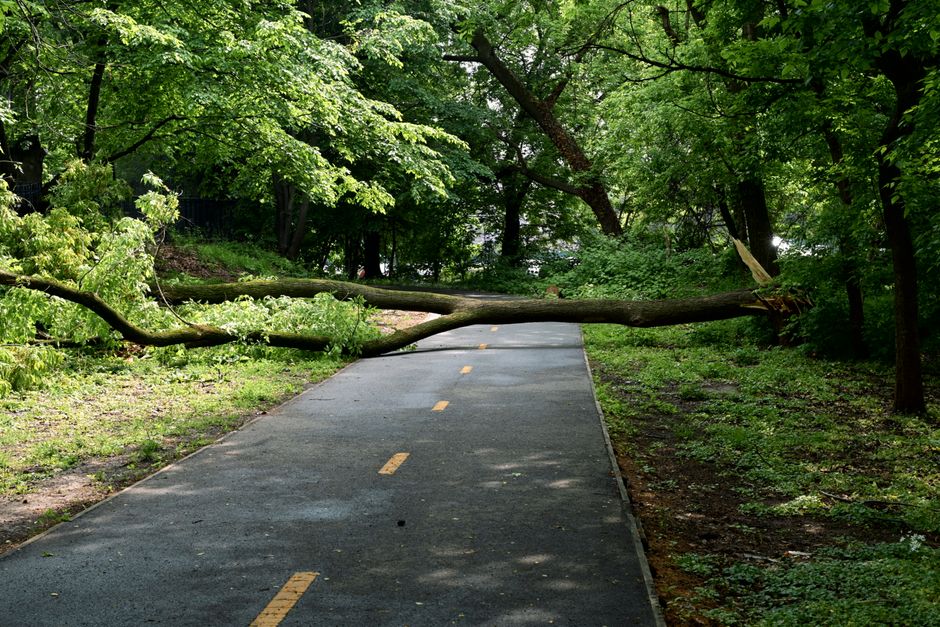
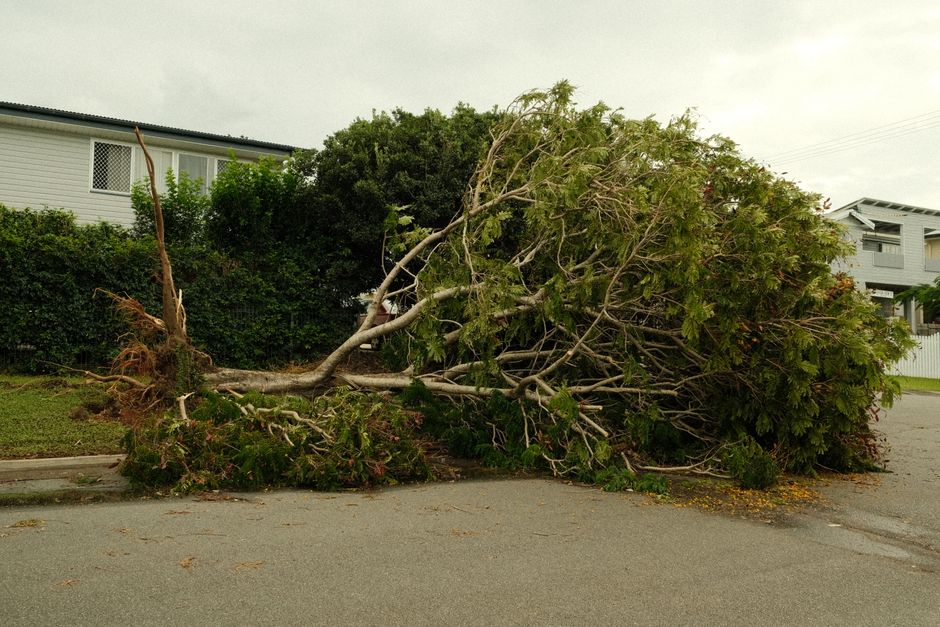
Storms rarely give your garden a polite warning. One minute the borders are tidy and the paths are clear, the next you are looking at snapped branches, flattened shrubs, scattered pots, and a mess that feels bigger than it should. If you are searching for Emergency gardeners in Bloomsbury for storm damage and delays, you probably need calm, practical help rather than a sales pitch. That is exactly what this guide is here for.
Bloomsbury gardens can be surprisingly exposed. Courtyard spaces, roof terraces, communal planting beds, and narrow access routes all make storm recovery a bit trickier than a standard tidy-up. Add delayed maintenance, missed visits, or a backlog after bad weather, and things can spiral quickly. In the sections below, you will find what emergency garden help actually covers, how a response usually works, what to prioritise first, and how to make smart decisions when time is tight.
There is also a quiet truth here: not every damaged garden needs the same treatment. A fallen tree limb is one thing. Waterlogged turf, torn fencing, ivy pulling on masonry, or a wind-battered hedge is another. So let us break it down properly, in plain English.
Why Emergency gardeners in Bloomsbury for storm damage and delays Matters
Storm damage is not just about appearance. Yes, a garden can look rough after heavy wind or rain, but the bigger issue is risk. Damaged branches can fall later, unstable fencing can lean further, water can pool around planting beds, and compacted soil can turn a manageable problem into a seasonal headache. In Bloomsbury, where many gardens are tucked behind terraces or shared between properties, a delay can mean the damage affects more than one household.
When a scheduled visit has been delayed, the garden often becomes more vulnerable. A hedge that needed trimming two weeks ago may now be taking the full force of the wind. Ivy that was left to spread can pull on walls or railings. Pots can become hazards on steps and narrow passages. A quick emergency response helps stop a small delay from becoming a bigger, more expensive tidy-up later.
Expert summary: the real value of emergency garden help is not just speed. It is judgement. Knowing what to secure immediately, what to cut back, what to leave for later, and what may need a more specialist service. That judgement saves time, money, and a fair bit of stress.
For garden recovery planning, it often helps to think in layers. Immediate hazard removal comes first. Then access and drainage. Then shape, structure, and plant health. That order matters more than people think.
How Emergency gardeners in Bloomsbury for storm damage and delays Works
Most emergency garden responses start with a quick assessment. That can be over the phone, by photos, or during an on-site visit if access and conditions allow. The aim is simple: work out what is unsafe, what is damaged, and what can realistically be done right away.
In practice, a good emergency team will usually follow a sequence like this:
- Initial triage: identify hazards such as fallen branches, unstable structures, blocked paths, slippery surfaces, and damaged gates or fencing.
- Access check: confirm how crews can reach the affected area, especially in tight Bloomsbury yards, shared entrances, or rear-access spaces.
- Stabilisation: make the site safer by removing loose debris, securing lightweight items, and reducing immediate risks.
- Cut-back and clearance: deal with broken stems, split hedges, collapsed climbers, and tangled growth that is obstructing movement.
- Recovery plan: decide whether the garden needs follow-up work such as hedge reshaping, turf repair, planting replacement, or fence repairs.
It sounds straightforward, but weather-damaged gardens are rarely neat little puzzles. Soil can be sodden. Roots can be disturbed. A branch that looks minor may actually be split deep into the canopy. Truth be told, the safest first move is not always the boldest one.
Emergency work is also different from standard maintenance in one important way: it is outcome-led. The first goal is not perfection. It is making the garden safe, usable, and stable enough for the next stage of restoration.
Key Benefits and Practical Advantages
People often call for emergency garden help because they want speed, but the real benefits go further than that. When the response is handled properly, you get both immediate relief and a cleaner path to long-term recovery.
- Reduced risk: loose branches, damaged fencing, and slippery routes are dealt with before they cause injury or more damage.
- Less secondary damage: prompt action can stop waterlogging, soil compaction, and plant breakage from spreading.
- Clearer access: paths, gates, patios, and bin routes can be reopened quickly.
- Better plant survival: damaged shrubs, climbers, and perennials are more likely to recover if they are pruned and supported correctly.
- Lower stress: there is a real emotional lift when the garden stops looking like a problem waiting to happen.
One thing clients notice, especially after stormy weather, is how fast a garden can move from "unsettled" to "unmanageable" if nobody intervenes. Emergency work shortens that gap. And that matters in a place like Bloomsbury, where time, access, and neighbour relations often matter just as much as the planting itself.
If the damage has exposed other issues, it can also be a useful moment to review long-standing problems. For example, ivy that has crept too far can be removed before it tightens around walls and fences; see the guide to removing ivy for a deeper look at why that matters.
Who This Is For and When It Makes Sense
This kind of service is not just for large private gardens. In Bloomsbury, it can be useful for:
- homeowners with damaged front or rear gardens after high winds
- landlords and managing agents needing fast site stabilisation between tenancies
- communal blocks with shared planting areas or boundary hedging
- busy residents who have missed routine maintenance and now need a reset
- families who need outdoor space made safe again before children or pets use it
- businesses or hospitality spaces with planter displays, terraces, or frontage planting
It makes sense when the problem is urgent, the garden is becoming unsafe, or the delay is compounding the damage. If a branch is scraping a window, a gate will not close, or wind has lifted trellis work away from the fence line, you do not want to wait for a casual maintenance slot. That is the sort of issue that needs prompt attention.
For pet owners, storm debris can be a particular nuisance. Broken pots, sharp sticks, and muddy runoff can quickly make a garden unsafe. If you are trying to keep outdoor areas both attractive and pet-friendly, the ideas in this pet-friendly gardening article may also be useful once the immediate mess has been dealt with.
And if you have children at home, the priority is even simpler: clear the hazard first, beautify later. There is no prize for leaving a half-fallen branch in place because it "does not look too bad from the kitchen window."
Step-by-Step Guidance
If you are managing the situation yourself before help arrives, this practical sequence will keep things sensible. No drama. Just a proper order of operations.
- Look for immediate hazards. Check for hanging branches, leaning fences, broken glass, exposed nails, and blocked walkways.
- Keep people out of risky areas. If a structure looks unstable, do not stand beneath it. Obvious, yes, but easy to ignore in a rush.
- Photograph the damage. If you need to discuss repairs, quotes, or property records later, photos help explain what happened before anything is moved.
- Move loose items. Lightweight pots, furniture cushions, tools, and ornaments should be brought in or stacked safely if conditions allow.
- Clear safe access routes. Make sure the path to doors, bins, and shared entrances is open.
- Do not over-cut damaged plants. Snipping too much too quickly can make recovery harder. Some stems need to be assessed rather than attacked with shears.
- Ask for a follow-up plan. Once the emergency has been handled, arrange the next stage for recovery, whether that is hedge shaping, lawn repair, or replanting.
If the damage has left your garden looking bare or overgrown in different places at once, it may be worth treating it as a broader restoration project. The article on starting a garden restoration adventure is a good companion read for the "what now?" stage.
One small but useful habit: note where water collects after rainfall. In storm recovery, drainage clues are often hiding in plain sight, and you will notice them most clearly after the first heavy shower. That can save a lot of guessing later.
Expert Tips for Better Results
Storm recovery is one of those jobs where a few good decisions make all the difference. In our experience, these are the habits that separate a tidy recovery from a patchy one.
- Start with structure, then plants. Secure boundaries, trellis, and access routes before spending time shaping borders.
- Use the weather window wisely. A dry half-day can be enough to remove debris safely and reduce further slipping or compaction.
- Leave some pruning for later. Fresh storm wounds often look worse than they are. Wait for a proper assessment if the branch damage is extensive.
- Protect roots where possible. Avoid trampling saturated beds. Once soil is compressed, it takes time to recover.
- Think about future wind exposure. After repairs, wind-prone planting may need reshaping, better anchoring, or more shelter.
If the storm has exposed weak growth habits, that is not a failure. It is just information. A hedgerow that flops over after gusts may need a better trim pattern next time. A climber that tears away from a fence may need a stronger support system. This is where practical gardening knowledge really pays off.
For readers interested in better weather resilience overall, these windy-climate gardening tips and this guide to severe weather impacts on gardens are both helpful reads.
And yes, sometimes the best tip is simply this: do not wait until the fence is nearly horizontal before calling for help. A small fix is cheaper than a dramatic one. Usually.
Common Mistakes to Avoid
Most storm-related garden problems get worse for the same predictable reasons. The good news? They are avoidable.
- Cutting too much too fast: over-pruning can stress the plant and ruin its natural shape.
- Ignoring hidden damage: a branch may look fine at the tip and still be split near the main stem.
- Walking on waterlogged soil: it compacts easily and can affect root health for weeks.
- Leaving unstable items in place: broken trellis, loose pots, and leaning panels can become hazards in the next gust.
- Forgetting neighbours and shared spaces: in Bloomsbury, a damaged boundary can affect more than one property.
- Trying to solve every issue in one visit: some jobs need immediate clearance now and proper restoration later.
A very common one is underestimating the after-effects of delay. A missed maintenance slot during a damp spell can let weeds, ivy, and weak growth take hold just when the garden needs resilience most. If that sounds familiar, the pieces on weed control and ivy removal are worth a look after the emergency stage.
To be fair, nobody plans for a storm to flatten a border on a Tuesday morning. But once it has happened, the mistake is usually rushing without a plan. A steadier approach gets better results.
Tools, Resources and Recommendations
Good emergency garden work relies on the right kit, but also on restraint. A strong saw is useful. So is patience. The two should travel together.
Commonly useful tools and materials include:
- loppers and secateurs for broken stems and lighter pruning
- hand saws for thicker branches
- tarps or bags for debris collection
- gloves with decent grip for wet conditions
- tie-backs or soft plant supports for plants that can be saved
- broom and shovel for clearing hard surfaces and paths
- temporary supports for fencing, climbers, or loose trellis work
For longer-term gardening resilience, it helps to think beyond the storm itself. Container planting, for example, can be a smart option in exposed spaces where you want flexibility. If that suits your style, container gardening ideas can be a useful follow-up.
If the emergency has turned into a wider tidy-up, you may also want to revisit the basics of regular care. The site's garden maintenance information, lawn care guidance, and hedge trimming in Bloomsbury page can help you think about the next phase after urgent repairs.
One practical recommendation: keep a short note of what was damaged and what was repaired. It sounds small, but six weeks later when everything looks different, that note becomes surprisingly valuable.
Law, Compliance, Standards, or Best Practice
For most homeowners and tenants, storm-related garden work is not heavily regulated in the way electrical or structural trades are. Still, there are important best-practice considerations, especially where safety and access are involved.
In the UK, reasonable care matters. If a garden hazard could affect neighbours, visitors, or passers-by, it should be dealt with promptly. That is common sense, but also the right professional attitude. For shared properties, landlords and managing agents usually need to think about safe access, boundary maintenance, and keeping communal routes clear.
Where trees, larger limbs, or boundary structures are involved, it is wise to use trained professionals rather than improvising. A good contractor should also be able to explain insurance and safety arrangements clearly. If you are comparing providers, it is sensible to review insurance and safety information, along with the health and safety policy.
Other useful trust pages include the site's terms and conditions, payment and security, and complaints procedure. Those pages help set expectations before anyone starts work, which is always a good idea, storm or no storm.
And because emergencies can involve access through shared areas or close contact with neighbours, polite communication is part of best practice too. Not glamorous, I know, but it avoids friction and speeds things up.
Options, Methods, or Comparison Table
Not every garden problem needs the same response. Here is a simple comparison to help you decide what kind of help is appropriate.
| Situation | Best approach | What to expect | Typical priority |
|---|---|---|---|
| Loose debris, fallen pots, minor branch breakage | Emergency clearance | Fast removal, path reopening, basic stabilisation | High |
| Flattened hedge, storm-battered shrubs, damaged climbers | Clearance plus corrective pruning | Selective cut-back and reshaping | High |
| Waterlogged beds and compacted lawn areas | Recovery work | Drainage consideration, soil care, lawn repair | Medium to high |
| Broken fencing, leaning panels, loose trellis | Stabilisation and repair planning | Make safe first, then organise follow-up repairs | High |
| Ongoing delay with overgrowth or neglected maintenance | Catch-up maintenance | Rebalance the garden and restore structure | Medium |
If your issue is more than a tidy-up but less than a full redesign, the best route is often a mix of emergency clearance and planned follow-up. That can include broader gardening services or, if the damage extends into hard landscaping, landscaping support.
For larger boundary issues, fencing work or even tree surgery may be the more appropriate route. The point is to match the method to the problem, not the other way round.
Case Study or Real-World Example
Here is a realistic example from the sort of work a Bloomsbury garden might need after a windy night. A small rear courtyard with mature planting, a trellis-clad climber, two large pots, and a timber fence line had taken a battering. Nothing dramatic at first glance, but enough to make the access route awkward and the side return slippery with debris.
The first priority was not "making it pretty." It was making it safe. Loose stems were removed, the damaged climber was tied back where possible, and broken material was cleared from the path and patio. One fence panel had shifted slightly, so it was secured to stop it twisting further. Only after that did the team move on to shape, tidy, and assess what would need a second visit.
The useful part of this example is the order. A lot of people would have started with pruning the climber because it looked messy. But that would have left the unstable fence and slippery path untouched. In the real world, that is the sort of thing that makes later work harder.
That same property later benefited from a maintenance reset rather than a full rebuild. A few plants recovered. One section needed replacement. The border looked normal again after a bit of patience. Not glamorous, but very satisfying. You could almost hear the garden exhale.
Practical Checklist
Use this simple checklist if you are dealing with storm damage or delayed garden work in Bloomsbury.
- Check for hanging branches or unstable structures.
- Keep children, pets, and visitors away from risky areas.
- Move loose furniture, pots, and tools to safety if you can do so safely.
- Photograph visible damage before clearing everything away.
- Clear paths, entrances, and shared access points first.
- Do not over-prune damaged plants in a hurry.
- Look for pooling water, compacted soil, or broken drainage routes.
- Check whether fencing, trellis, or supports need temporary stabilisation.
- Book follow-up work for repairs, reshaping, or replanting.
- Keep a note of what was done for future reference.
If the garden has been delayed for a while as well as storm-damaged, consider whether a fuller reset is needed. The articles on low-maintenance garden strategies and getting back into gardening may help once the urgent part is handled.
Small checklist, big difference. Honestly, that is often how it goes.
Get a free quote today and see how much you can save.
Conclusion
Storm damage and service delays can leave a Bloomsbury garden looking tired, unsafe, or just plain overwhelmed. The good news is that emergency garden help is not only about speed. It is about restoring order, reducing risk, and setting up the next stage properly so you are not fighting the same problem again next week.
Whether the issue is fallen debris, wind damage, drainage trouble, damaged fencing, or a garden that has simply slipped because of delays, a measured emergency response can make a huge difference. Start with safety. Then stabilise. Then recover. That order holds up surprisingly well, even when the weather does not.
If you need to move from chaos back to calm, take the first step now and get the right help in place. Gardens recover better when someone gives them a hand, and sometimes that hand arrives just in time.
Frequently Asked Questions
What do emergency gardeners in Bloomsbury usually deal with after a storm?
They typically handle fallen branches, debris clearance, damaged hedges, disturbed planting, blocked paths, leaning fencing, and other issues that create immediate risk or prevent normal use of the garden.
How quickly should I act after storm damage?
As soon as it is safe to do so. The sooner unstable items are cleared or secured, the less chance there is of secondary damage from wind, rain, or repeated foot traffic through wet ground.
Can emergency gardeners help if my regular maintenance visit was delayed?
Yes. Delays often let small problems build up, and an emergency or priority visit can help reset the garden before the damage gets worse. Sometimes the delay is the real problem, not just the storm.
Is storm-damaged pruning always the first job?
No. Safety and access usually come first. A good gardener will decide whether to clear debris, stabilise structures, or protect paths before doing any detailed pruning.
Will my plants recover after wind damage?
Many will, especially if the damage is handled carefully and the roots are not disturbed. Recovery depends on the plant type, the severity of the damage, and how quickly the garden is stabilised.
What should I do before the gardeners arrive?
Stay safe, keep people and pets away from hazards, take photos if you can, and move only the loose items that are easy and safe to handle. Do not try to deal with unstable branches or leaning structures yourself.
Do emergency garden visits in Bloomsbury cost more than routine visits?
They can, because the work often needs faster scheduling, more caution, and sometimes extra labour for clearance or stabilisation. The exact cost depends on the size of the job and the type of damage.
Can this kind of service help with fencing and boundary issues?
Yes, at least at the stabilisation stage. If a fence is leaning, split, or unsafe, emergency work can make it secure and help you decide whether repair or replacement is needed next.
What if the garden has drainage problems after the storm?
That should be checked carefully. Pooling water and compacted soil can create long-term issues, so a follow-up recovery plan may be needed rather than just a quick tidy-up.
Is emergency garden work suitable for shared properties and managed buildings?
Absolutely. In shared gardens and managed blocks, fast action can prevent access problems, reduce complaints from neighbours, and stop a small issue from affecting the whole site.
How do I know whether I need garden clearance, maintenance, or landscaping?
If the problem is immediate and unsafe, start with clearance. If it is more about recovery and tidying, maintenance may be enough. If hard surfaces, structure, or larger layout issues are involved, landscaping may be the better next step.
Where can I learn more about choosing the right garden service?
You can read more about the company's approach in the about us page and review practical service information on pricing and quotes when you are ready to compare options.