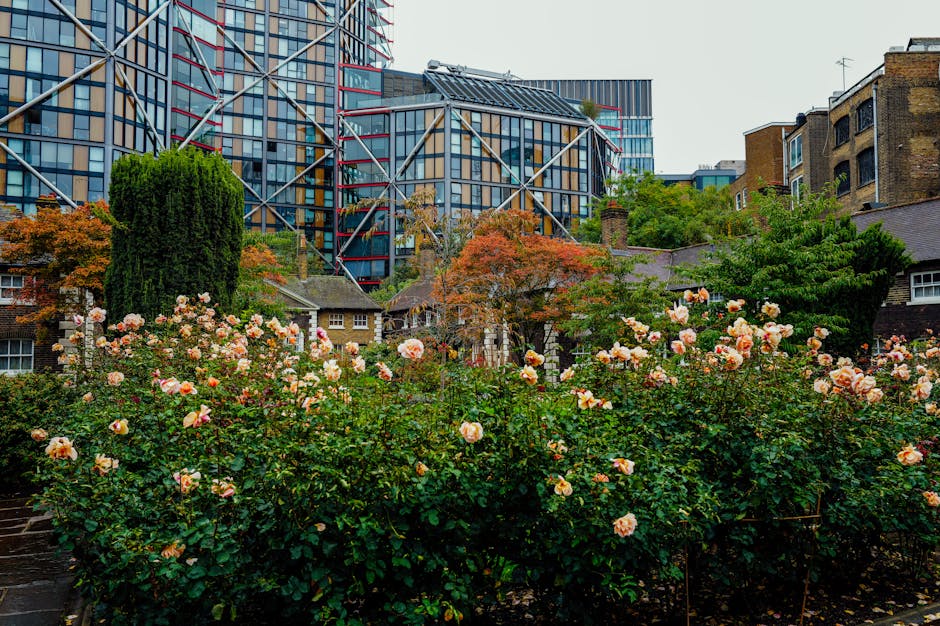
British Museum Garden Care Tips from Bloomsbury Gardeners
If you want a garden that feels calm, tidy, and quietly impressive rather than overworked, the best lessons often come from places where detail matters. That is exactly why British Museum garden care tips from Bloomsbury gardeners are so useful: they focus on careful maintenance, clean lines, healthy planting, and the kind of steady attention that keeps a space looking good all year. In Bloomsbury, gardens often have to balance shade, foot traffic, heritage surroundings, compact layouts, and the realities of London weather. It is a bit of a juggling act, to be fair.
This guide breaks down how experienced local gardeners think about museum-style garden care, what makes it different from ordinary domestic maintenance, and how you can apply the same principles at home or in managed outdoor spaces. You will find practical steps, mistakes to avoid, a comparison table, and a checklist you can actually use. If you are planning a refresh, a repair, or simply want a more polished outdoor space, this is a good place to start.
Why British Museum garden care tips from Bloomsbury gardeners Matters
Museum-adjacent gardens and refined urban spaces need a different mindset from a casual back-garden tidy-up. The goal is not just "green and alive"; it is balanced, controlled, and dependable. In a setting shaped by visitors, neighbours, heritage buildings, and limited space, small maintenance problems become obvious very quickly. A slightly leaning shrub, a mossy path, or ivy creeping where it should not can shift the whole tone of the space.
Bloomsbury gardeners usually approach this kind of work with restraint. They think about how a border looks from different angles, how wet weather changes soil condition, and how plants behave in partial shade or sheltered courtyards. They also care about safety and access. That means pruning carefully, choosing low-risk planting, and keeping surfaces clean and walkable. If you have ever seen a neglected corner turn into a visual distraction, you know the difference immediately. It is not dramatic. It just quietly matters.
For local property managers and homeowners, this approach is valuable because it creates consistency. You are not chasing problems every few weeks. You are setting up a routine that prevents them in the first place. If the space also needs more formal support, it can be worth looking at ongoing garden maintenance or broader gardening services to keep standards steady through the year.
How British Museum garden care tips from Bloomsbury gardeners Works
The basic idea is simple: treat the garden like a living space that needs rhythm, not occasional rescue. The best results come from small, regular actions carried out with a plan. That usually includes inspection, selective pruning, surface care, weed control, soil care, and seasonal adjustments.
In practice, museum-style care often follows four layers:
- Observation: identify what is changing before it becomes a problem. Look for yellowing leaves, compacted soil, standing water, early weed growth, or pests.
- Structural care: keep hedges, climbers, and trees in shape so they frame the space rather than overwhelm it. This is where a service like hedge trimming in Bloomsbury can be useful when structure matters.
- Surface and access care: clean paths, patios, and seating areas so the garden feels open and safe. A neat surface changes the feel of a garden more than people expect.
- Plant health care: feed, mulch, water, and replace plants in ways that suit the site, not a generic template.
A museum garden also needs visual discipline. That means repeated shapes, restrained colour palettes in some areas, and planting that looks intentional even when it is not in bloom. It is not about making the garden plain. Far from it. It is about allowing the planting to breathe.
Where ivy is taking over walls, fences, or hidden corners, tackling it early can save a lot of work later. Many gardeners now treat that as a priority task, and for good reason. If you want a deeper look at the damage it can cause, see removing ivy before it spreads.
Key Benefits and Practical Advantages
There is a real payoff to this style of gardening, and it is not just aesthetics. A well-managed garden is easier to maintain, safer to walk through, and much less expensive to recover after a problem has been ignored for too long. That may sound obvious, but in real life it is the missed little jobs that become the big expensive ones. Happens everywhere.
- Cleaner presentation: trimmed edges, weed-free borders, and healthy planting create a calm, professional impression.
- Lower long-term cost: frequent light care is usually cheaper than major restorative work.
- Better plant performance: plants grow more evenly when soil, light, water, and spacing are managed properly.
- Improved safety: clear routes, reduced trip hazards, and tidy surfaces matter in public-facing or shared spaces.
- Greater resilience: gardens that are pruned and fed appropriately cope better with wind, shade, drought spells, and heavy rain.
There is also a subtle benefit people often overlook: emotional tone. A balanced garden makes a space feel cared for, and that feeling changes how people use it. Even a small courtyard can feel more generous when it is not cluttered. If you are planning a more relaxed layout, some inspiration from zen garden ideas can help you think about simplicity without making the space dull.
Who This Is For and When It Makes Sense
This approach suits anyone looking after a garden where presentation matters as much as plant health. That includes homeowners, landlords, estate managers, community spaces, hospitality venues, schools, and small heritage-style courtyards. It also makes sense if you are simply tired of the cycle where the garden looks good for a week, then drifts back into disorder.
It is especially helpful when:
- your garden is small and every detail is visible
- you have mature shrubs, hedges, or climbers that need disciplined shaping
- the site has shade, limited airflow, or damp patches
- you want to improve access without stripping out character
- you are restoring a garden that has become overgrown
If the garden is part of a family home, you may also need to think about pets or children. That changes the design choices quite a bit. For instance, durable planting, safe boundaries, and clear paths matter more than fancy but fragile features. There are useful ideas on making a garden work with dogs and creating a safe garden for children if your space needs to serve more than one purpose.
Step-by-Step Guidance
Here is a practical framework you can follow without turning the project into a giant weekend ordeal. Truth be told, the best garden care routines are the ones people can actually keep up with.
1. Start with a full walk-through
Look at the garden in daylight from several angles. Ask a simple question at each stop: what is making this space feel untidy, crowded, dull, or risky? You are not trying to solve everything at once. Just make a list.
2. Clear obvious clutter first
Remove dead leaves, broken stems, collapsed pots, and anything that blocks paths or sightlines. This gives you instant breathing room and makes the rest of the work easier to judge. If there is old growth hiding structure, the space often feels better the moment it is lifted out.
3. Deal with weeds and invasive growth
Weeds and self-seeding invaders are a top priority because they compete for light, water, and attention. They also make a garden look less controlled than it really is. For a more systematic approach, it helps to use the principles in this weed control guide.
4. Shape hedges, climbers, and top-heavy shrubs
Trim back growth that is spilling over paths or hiding architectural features. In museum-style care, the line of a hedge or climber matters almost as much as the plant itself. A good cut should look deliberate, not hacked. If you are managing privacy planting, fast-growing hedge strategies can help you plan structure without making the garden feel boxed in.
5. Improve soil and mulch thoughtfully
Healthy soil is the quiet engine behind everything else. Add organic matter where needed, keep roots covered, and avoid overworking wet ground. Mulch helps reduce weeds, moderate moisture, and make beds look finished. It is not glamorous, but it works.
6. Refresh surfaces and seating areas
Clean paving, check drainage, and make sure benches or seating are placed where people actually want to pause. A practical seating area changes how the garden is used. If that is part of your plan, you may find clever seating area ideas surprisingly useful.
7. Set a seasonal schedule
Spring is for shaping and recovery, summer is for maintenance and watering, autumn is for clearing and protecting, and winter is for structural work and planning. A simple calendar is better than waiting until the garden shouts for help.
Expert Tips for Better Results
Small refinements make a big difference here. The goal is not to work harder. It is to work more precisely.
- Prune for light, not just size. A plant that lets light into the space can improve the whole garden, especially in the narrower Bloomsbury plots where shade builds up fast.
- Keep one clear visual focal point. It might be a specimen shrub, a container group, or a bench framed by planting. Too many focal points make a garden feel restless.
- Use repetition to calm the space. Repeated pots, repeated shapes, or repeated ground cover can create order without monotony.
- Choose resilient planting for tricky spots. For shaded or patchy areas, ground cover can be a life-saver. Have a look at ground cover plants for UK gardens if you need ideas.
- Think about wind and weather before you cut. A harshly exposed garden needs different pruning and staking decisions from a sheltered courtyard. If your site is breezy, gardening in windy climates is worth reading through.
Here is one little truth from real maintenance work: a garden almost always looks more expensive after tidying the edges than after adding more plants. A clean border can do a lot of heavy lifting. More than people expect, actually.
If you are trying to reduce watering time or add structure to a limited footprint, container planting can also support this style of care. It is especially useful where paving dominates or soil conditions are poor. For that, container gardening offers a very practical route.
Common Mistakes to Avoid
Most garden problems do not begin as disasters. They begin as small habits. Here are the ones worth watching.
- Cutting too much at once. Heavy pruning can shock plants and make them look patchy for months.
- Ignoring drainage. A garden that stays wet will always be harder to manage, no matter how tidy it looks on top.
- Using plants that outgrow the site. Fast-growing species can be useful, but only if you are ready to keep them in check.
- Letting ivy or climbers go unchecked. They can damage surfaces and overwhelm smaller plants very quickly.
- Overfeeding. Too much fertiliser can push weak, floppy growth, especially in sheltered urban settings.
- Trying to restore everything in one go. That is how people burn out. Better to phase the work.
Another common mistake is forgetting that a garden is seen in motion. People approach it, move through it, glance at it from inside the building, and notice it in bits and pieces. So if one corner is messy, it tends to dominate the impression. Sounds unfair, but that is how sightlines work.
Tools, Resources and Recommendations
You do not need an enormous toolkit, but you do need the right basics. Good tools make careful work possible. Poor tools make everything feel harder than it should.
| Tool or resource | Best use | Why it helps |
|---|---|---|
| Bypass secateurs | Light pruning and deadheading | Cleaner cuts on living stems |
| Long-handled loppers | Thicker branches and awkward reaches | Helps you work without crushing nearby growth |
| Stiff broom or garden brush | Paths, patios, and edging | Keeps hard surfaces looking sharp |
| Mulch and compost | Soil improvement and moisture retention | Supports plant health and reduces weeds |
| Watering can or hose with control nozzle | Targeted watering | Useful in small, layered spaces |
| Gloves and eye protection | General maintenance | Simple protection during pruning and clearing |
For bigger projects, especially where a garden has become tangled or layered over time, it can help to work from the ground up: clear, prune, assess, then replant. If restoration is the main job, a garden restoration approach gives a sensible sequence.
And if you are planning to reduce effort rather than increase it, keep maintenance low and repetitive where you can. There are sensible ideas in low-maintenance garden strategies, especially for busy households and managed sites.
Law, Compliance, Standards, or Best Practice
For most readers, the important point is not legal jargon. It is care, responsibility, and safe working practice. In the UK, garden work around public or shared spaces should be carried out with due attention to access, trip hazards, manual handling, tool safety, and the wellbeing of anyone using the area. If a garden is part of a building with visitors or tenants, you also want a routine that reduces avoidable risk rather than creating it.
Good practice usually means:
- keeping paths and entrances clear
- disposing of green waste safely and responsibly
- using equipment correctly and with suitable protection
- checking for unstable branches, damaged fencing, or slippery surfaces
- being cautious near buried services, walls, and protected features
Heritage-adjacent spaces need even more care. You do not want aggressive cutting, staining materials, or unnecessary disturbance around old brickwork and stone. In a setting inspired by the British Museum atmosphere, subtlety matters. If you are unsure, it is better to pause and assess than to push ahead. That is usually the grown-up choice, even if it feels slower.
If you are comparing professional support options, it is sensible to review practical pages such as insurance and safety, health and safety policy, and terms and conditions before any work begins. Those pages help set expectations, and honestly, they should never be skipped.
Options, Methods, or Comparison Table
Not every garden needs the same level of intervention. Some spaces only need light routine care. Others need a proper reset. Here is a useful way to compare the most common approaches.
| Method | Best for | Strengths | Trade-offs |
|---|---|---|---|
| Routine maintenance | Well-kept gardens needing consistency | Low disruption, predictable results | Does not solve deep neglect quickly |
| Seasonal refresh | Gardens that drift out of shape over time | Good balance of impact and effort | Needs planning around the calendar |
| Full restoration | Overgrown, neglected, or newly acquired sites | Resets structure and plant health | More time, labour, and waste to manage |
| Targeted specialist work | Hedges, trees, fencing, or hard surfaces | Solves specific problem areas efficiently | Usually works best as part of a broader plan |
In many cases, the smartest route is a blend. For example, a restored garden might start with a cleanup, then move into routine care and occasional specialist support. If trees are interfering with light or safety, a qualified tree surgery service may be the right first step. Likewise, a worn boundary can make the whole garden feel untidy, so fencing may be part of the fix rather than an afterthought.
For lawns, the same logic applies. A healthy lawn does not happen by luck. It needs the right mowing height, feeding rhythm, and repair timing. If that is part of your site, lawn care and lawn mowing can keep the whole space feeling finished.
Case Study or Real-World Example
Picture a compact Bloomsbury courtyard behind a brick terrace. It has a shaded corner, a hedge that has grown a little too confident, a patio with a film of moss, and a few containers that looked lively in spring but now feel tired. Nothing is broken. Nothing is dramatic. But the garden has lost its shape.
The first step is a clear-down: dead leaves removed, pots grouped, and the worst weeds pulled. Next comes selective pruning on the hedge and climbers so light can reach the centre of the space. The patio is brushed and washed, revealing a much cleaner frame for the planting. Then compost and mulch are added to the beds, and the containers are refreshed with a mix of upright and trailing plants so they look intentional again.
The result is not a "new" garden. That would be the wrong word. It is the same garden, just readable again. You can see where to sit. You can see the structure. The space feels cared for, and that changes everything. That sort of reset is exactly why many people begin with a restoration-minded garden glow-up before deciding on bigger changes.
And yes, sometimes the smallest fix is the most satisfying one. A clean path can feel almost absurdly uplifting. Then you step back and realise, oh, that was the missing piece.
Practical Checklist
Use this checklist before and after any major tidy-up or seasonal visit.
- Walk the whole garden and note problem areas
- Remove litter, dead growth, and broken items
- Check for weeds, ivy, and invasive spread
- Trim hedges and shrubs with a clear shape in mind
- Inspect paths, patios, steps, and seating for safety issues
- Top up mulch or compost where soil is exposed
- Water plants based on the actual conditions, not the calendar alone
- Look for pests, disease, or damage after wet weather
- Review whether any plants are too large for the space
- Schedule the next maintenance date before you forget it
Expert summary: the most reliable garden care is calm, regular, and visually disciplined. Clear the noise, protect the structure, and keep the living parts healthy. That is the whole game, more or less.
Conclusion
British Museum garden care tips from Bloomsbury gardeners are really about one thing: respecting the space enough to maintain it properly. That means careful pruning, tidy surfaces, thoughtful planting, and a routine that prevents small issues from becoming stubborn ones. It also means understanding that elegance is often the result of restraint. Not more. Just better.
If your garden feels tired, crowded, or harder to manage than it should, start with the basics. Clear it. Shape it. Feed it. Then keep it on a sensible rhythm. That approach works in large formal spaces and tiny city courtyards alike. A good garden does not shout. It settles the room. And there is something lovely about that.
If you want tailored help for a Bloomsbury garden, or you are planning a maintenance schedule that actually fits your space, learn more about the team and take the next step when you are ready.
Get a free quote today and see how much you can save.
Frequently Asked Questions
What are British Museum garden care tips from Bloomsbury gardeners?
They are practical maintenance principles inspired by tidy, heritage-aware, city-garden standards: regular pruning, clean surfaces, controlled planting, and careful seasonal upkeep.
How often should a Bloomsbury-style garden be maintained?
Light maintenance usually works best weekly or fortnightly, with deeper seasonal work in spring and autumn. The exact rhythm depends on planting density, shade, and how visible the space is.
Why is this style of garden care useful for small London gardens?
Small gardens show neglect quickly. Structured care keeps them looking larger, cleaner, and more intentional, which is especially helpful in compact urban spaces.
Can I apply these tips to a private home garden?
Absolutely. The same principles work very well for private gardens, especially if you want a polished, calm look without constant heavy work.
What is the biggest mistake people make with heritage-style garden care?
Overcutting or overfilling the space. Strong visual discipline is more effective than trying to force too many features into one garden.
Do I need professional help for ivy, hedges, or trees?
If growth is extensive, hard to reach, or affecting walls and safety, professional help is often the sensible option. Ivy, in particular, can become a bigger job than it first appears.
What makes a garden look more "museum quality"?
Clean borders, controlled plant shapes, healthy planting, and well-kept surfaces. The effect comes from consistency, not from expensive features alone.
Are there affordable ways to improve the look of my garden quickly?
Yes. Clearing weeds, defining edges, brushing patios, and mulching beds can change the impression of a space very quickly without a huge budget.
How do I know if my garden needs restoration rather than routine care?
If plants are overgrown, paths are hidden, or the layout no longer feels readable, a restoration phase may be more appropriate than simple maintenance.
What tools are most useful for this kind of work?
Secateurs, loppers, a sturdy broom, gloves, mulch, and watering equipment are the basics. Good tools make precise work faster and safer.
Does this approach help with garden safety?
Yes. Clear paths, controlled growth, and routine inspections reduce trip hazards and make outdoor spaces easier to move through, especially where visitors or children are involved.
Where can I get support if I want ongoing garden upkeep?
You can look at broader garden maintenance support or explore related services like patio cleaning if hard surfaces need attention too.